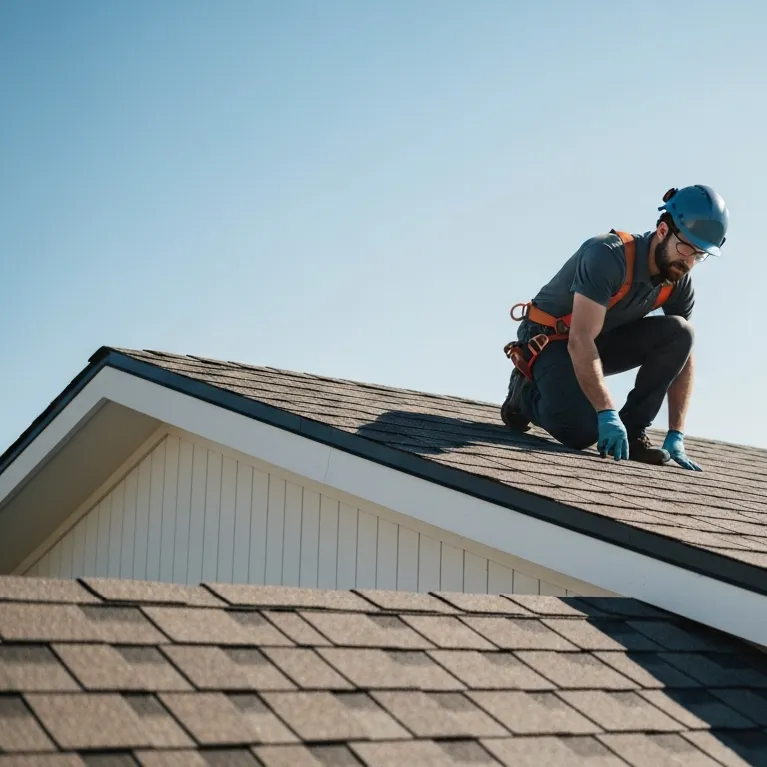

Common Roofing Issues in Richmond, TX & Solutions
Roofing Issues, Richmond Texas, Homeowner Tips, Roof Repair
The Most Common Roofing Issues Richmond, Texas Homeowners Face — And How to Fix Them
If you own a home in Richmond, Texas, your roof works overtime. From blistering summer heat to sudden Gulf Coast storms, local weather puts constant stress on shingles, flashing, and gutters. Understanding the most common roofing issues in Richmond Texas — and how to address them early — can save you thousands of dollars in roof repair and protect the value of your home.
Why Richmond, Texas Roofs Wear Out Faster Than You Think
Richmond sits in a hot, humid climate with frequent thunderstorms, hail, and the occasional tropical system. That combination creates a perfect storm for roofing issues. Intense UV rays dry out shingles, heavy rain tests every seam and flashing, and strong winds can lift or tear materials. Add in tree debris from oaks and pines common in Fort Bend County, and it is no surprise that fixing roofs is a regular part of homeownership here.
The good news is that most common problems start small and are relatively simple to repair when caught early. With a few practical homeowner tips and a basic understanding of roof repair options, you can stay ahead of trouble and extend the life of your roof by years.
1. Heat-Damaged and Curling Shingles
One of the most common roofing issues in Richmond Texas is heat damage. Asphalt shingles bake under the summer sun, especially on south- and west-facing slopes. Over time, shingles can dry out, crack, or curl at the edges, leaving gaps where wind-driven rain can sneak underneath and cause leaks.
How to Spot the Problem
Shingles that look wavy, cupped, or curled at the corners
Cracks running across or through the shingle surface
Bald spots where protective granules have worn away
How to Fix Heat-Damaged Shingles
If only a handful of shingles are affected, a localized roof repair is usually enough. A roofing professional can carefully remove the damaged shingles and slide new ones into place, sealing them with roofing cement and proper nails. For widespread curling or cracking, especially on an older roof, replacing the entire section — or even the full roof — may be more cost-effective in the long run.
💡 Homeowner Tip: Schedule a roof inspection at the end of summer. Catching heat damage before fall storms hit is one of the smartest ways to prevent leaks.
2. Wind and Hail Damage From Gulf Coast Storms
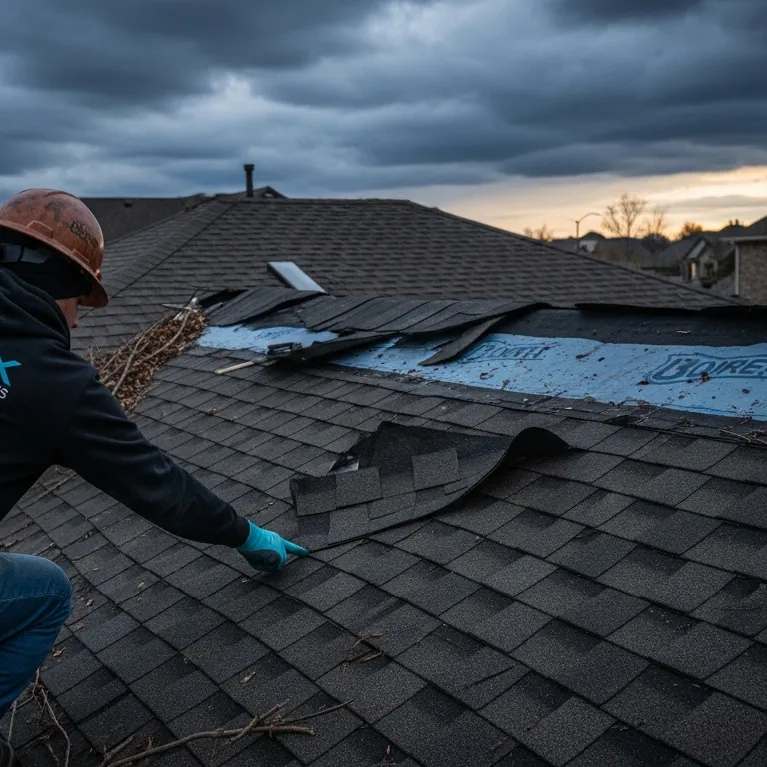
Strong thunderstorms and occasional hailstorms are part of life in Richmond. High winds can lift shingles, break seals, or tear them off entirely. Hail can bruise shingles, knock off granules, and shorten the roof’s lifespan, even if you do not see an immediate leak. These weather-related roofing issues are among the most common problems local homeowners face after a major storm.
Signs of Storm-Related Roof Problems
Missing shingles or visible bare patches on the roof
Dark circular spots or bruises where hail has struck shingles
Shingles that flap or move in the wind, indicating broken seals
How to Fix Wind and Hail Damage
After any significant storm, walk your property and look for shingles on the ground, dented gutters, or damage to siding — all clues that your roof may have been hit. For minor issues, such as a few missing shingles, a straightforward roof repair is usually enough. A roofer will replace those shingles and check the surrounding area for hidden damage.
If hail has affected large sections of the roof, you may need a more extensive solution. Many Richmond Texas homeowners use their insurance coverage for storm-related roof replacement. A reputable roofing contractor can document damage, help you understand your policy, and recommend whether patching or full replacement is the better long-term investment.
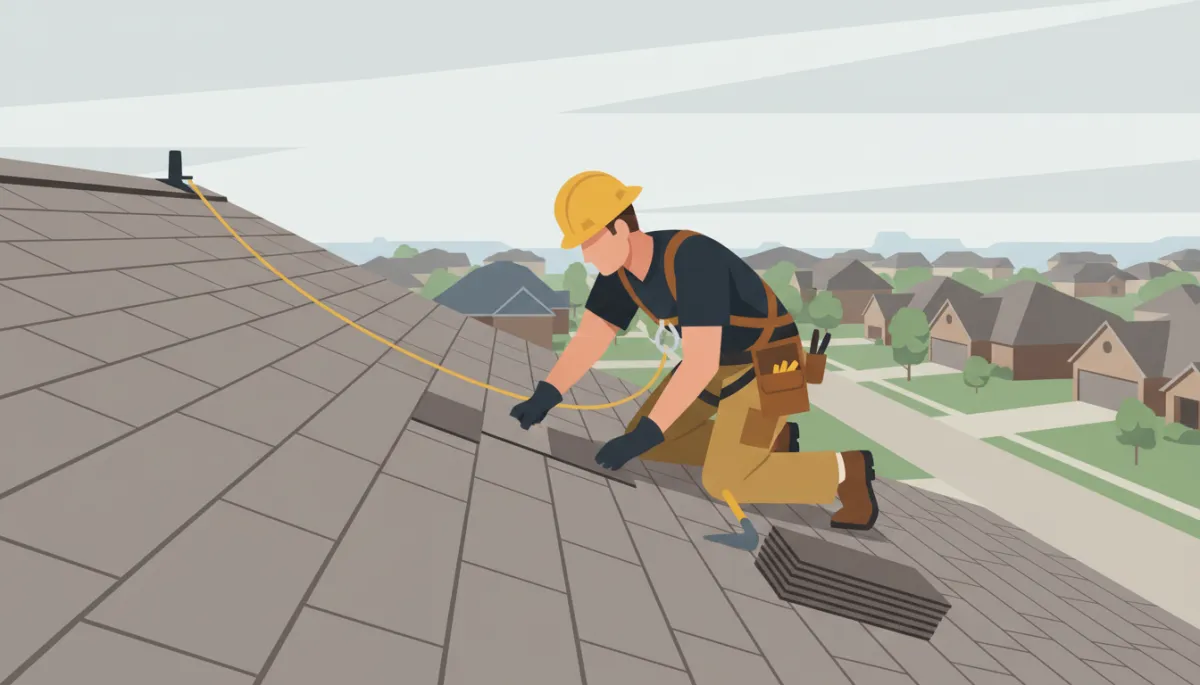
Timely shingle replacement after storms prevents small issues from becoming major leaks.
3. Leaks Around Flashing, Chimneys, and Vents
Not every leak starts in the middle of the roof. In Richmond homes, many roofing issues begin where two surfaces meet — around chimneys, skylights, plumbing vents, or along walls where a lower roof ties into an upper one. Metal flashing in these areas can loosen, rust, or be improperly sealed, letting water seep in during heavy rain.
How to Recognize Flashing Problems
Water stains on ceilings or walls near chimneys or skylights
Rusted, bent, or missing metal flashing pieces on the roof
Cracked sealant or gaps where flashing meets brick, siding, or shingles
How to Fix Leaks Around Flashing
Small gaps can sometimes be sealed with high-quality roofing sealant as a short-term fix, but the most reliable solution is usually to replace the damaged flashing. This involves carefully lifting nearby shingles, installing new metal flashing, and re-sealing everything to create a watertight barrier. Because incorrect flashing work can lead to repeated leaks, most homeowners in Richmond Texas choose to have a professional handle this type of roof repair.
💡 Homeowner Tip: Check your attic during or right after a heavy rain. Damp wood or insulation near vents and chimneys is an early warning sign that flashing needs attention.
4. Clogged Gutters and Poor Drainage
Gutters might not seem like a roofing issue at first glance, but in Richmond’s rainy climate, they play a huge role in protecting your home. When gutters clog with leaves, twigs, and granules from aging shingles, water can back up under the roof edge, soak the fascia boards, and even leak into walls or the foundation. Over time, this leads to rot, mold, and costly structural repairs.
Signs Your Roof Drainage Is Failing
Water spilling over the sides of gutters during rainstorms
Peeling paint, soft wood, or stains on fascia and soffits
Pools of water near the foundation or erosion in landscaping beds
How to Fix Gutter-Related Roofing Problems
Start with regular gutter cleaning — at least twice a year, and more often if you have trees close to the house. Make sure downspouts extend several feet away from your foundation. If gutters are undersized, sagging, or constantly clogging, consider upgrading to seamless gutters with properly sized downspouts or adding gutter guards. These relatively simple steps can dramatically reduce the risk of roof edge rot and interior leaks, making them some of the most cost-effective homeowner tips for fixing roofs and preventing damage.
5. Moss, Algae, and Debris Buildup
Humidity in Richmond Texas can encourage moss and algae growth, especially on shaded roof sections. While algae streaks are mostly cosmetic, thick moss can trap moisture against shingles, lifting them and shortening their lifespan. Piles of leaves or branches also hold moisture and hide developing roofing issues underneath.
Safe Ways to Clean and Protect Your Roof
Avoid pressure washing, which can strip granules and damage shingles. Instead, hire a roofing company that uses low-pressure cleaning solutions designed for asphalt roofs. They can gently remove moss and algae without harming the shingles. Trimming back overhanging branches will also allow more sunlight to reach the roof and reduce debris buildup, which is a simple but powerful step in preventing common problems.
💡 Homeowner Tip: Consider installing algae-resistant shingles when it is time for roof replacement. They are formulated to resist staining and growth in humid climates like Richmond’s.
6. Poor Ventilation and Attic Moisture
Another often-overlooked roofing issue is poor attic ventilation. In a hot area like Richmond Texas, an improperly vented attic can reach extreme temperatures, baking the underside of your roof and warping decking. Trapped moisture from everyday activities — cooking, showers, even breathing — can also condense in the attic, leading to mold, mildew, and wood rot that weaken the roof structure from the inside out.
How to Improve Ventilation and Protect Your Roof
A balanced system of intake vents (usually at the soffits) and exhaust vents (such as ridge vents or roof vents) keeps air flowing through the attic. During a roof repair or replacement, ask your contractor to evaluate your current ventilation. Adding or upgrading vents is a relatively small investment that can significantly extend roof life, lower energy bills, and reduce moisture-related common problems like mold and rot.
When to DIY and When to Call a Richmond Roofing Professional
Some basic maintenance tasks — like cleaning gutters, visually inspecting your roof from the ground, or checking the attic for damp spots — are safe and sensible DIY homeowner tips. However, climbing onto the roof, walking on steep slopes, or attempting structural repairs can be dangerous and may void your shingle warranty if done incorrectly.
In general, call a professional Richmond Texas roofing company if you notice active leaks, missing shingles, sagging areas, or storm damage. A qualified roofer can diagnose the root cause, recommend the right roof repair or replacement option, and ensure that fixing roofs is done safely and to code. They can also provide documentation for insurance claims when roofing issues are related to wind or hail.
Final Thoughts: Stay Proactive to Avoid Costly Roof Repairs
Your roof is one of the largest investments you will make in your Richmond Texas home, and it quietly protects everything beneath it. By learning the most common roofing issues — from heat-damaged shingles and storm impacts to clogged gutters, flashing leaks, and poor ventilation — you can spot early warning signs before they turn into major headaches. Regular inspections, basic maintenance, and timely roof repair are the keys to keeping your home dry, comfortable, and structurally sound.
If you are unsure about the condition of your roof or have noticed any of the common problems described above, do not wait for the next big storm to test it. Reach out to a trusted local roofing professional, ask questions, and use these homeowner tips as a guide. A proactive approach to fixing roofs in Richmond Texas will protect your family, your belongings, and your peace of mind for years to come.