Prevent Common Roofing Problems Effectively
Home Improvement, Roofing Problems, Roof Maintenance
The Most Common Roofing Problems Homeowners Face – And How to Prevent Them
Your roof quietly protects everything and everyone under it—until something goes wrong. By understanding the most common roofing problems and taking a proactive approach to roof maintenance, you can prevent roof leaks, avoid costly surprises, and extend the life of your home’s most important shield.
Why Small Roofing Problems Become Big, Expensive Headaches
Most serious roof damage doesn’t happen overnight. It usually starts as a small, easily overlooked issue—a missing shingle, a bit of cracked sealant, or a clogged gutter. Left alone, these common roofing issues can turn into water damage, mold growth, and even structural problems. The good news is that with a few smart homeowner tips and consistent roof maintenance, you can spot and address trouble long before it reaches that point.
1. Roof Leaks and Water Stains
Leaks are among the most feared roofing problems—and for good reason. Even a slow drip can damage insulation, stain ceilings, and encourage mold. Leaks often start around roof penetrations such as chimneys, vents, skylights, and along valleys where two roof slopes meet. Missing or cracked shingles, deteriorated flashing, and ice dams can all allow water to work its way in.
How to Prevent Roof Leaks Before They Start
Schedule regular inspections: Have a professional inspect your roof at least once a year and after major storms to catch early signs of damage or wear.
Check your attic: Look for damp insulation, dark stains, or a musty smell—these can reveal hidden leaks long before you notice a ceiling stain.
Maintain flashing and sealants: Ask your roofer to inspect and refresh caulking and flashing around chimneys, vents, and skylights as part of routine roof maintenance.
💡 Homeowner Tip: After a heavy rain, do a quick walk-through of your top floor and attic with a flashlight. Catching a tiny drip now is one of the simplest roofing solutions you’ll ever use.
2. Missing, Cracked, or Curling Shingles
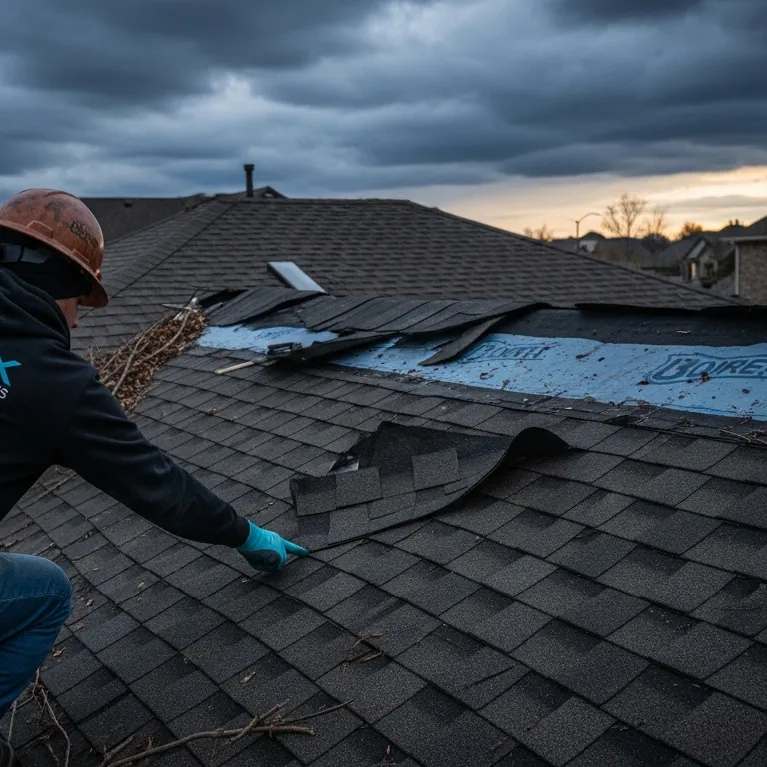
Asphalt shingles age over time. Sunlight, wind, and temperature swings cause them to dry out, curl, crack, or even blow off. Once the protective surface is compromised, your roof becomes vulnerable to water intrusion and further damage. This is one of the easiest common roofing issues to spot from the ground with a careful visual check.
Prevention: Keep Your Roof Surface Intact
Inspect from the ground: A couple of times a year, step back from your home and look for shingles that are missing, misaligned, or curling at the edges.
Act quickly on damage: If you see problems, call a roofer promptly. Replacing a handful of shingles is a simple, affordable roofing solution compared to ignoring the problem.
Know your roof’s age: Most asphalt roofs last 20–30 years. If yours is approaching that range and showing multiple issues, start planning for replacement before leaks appear.
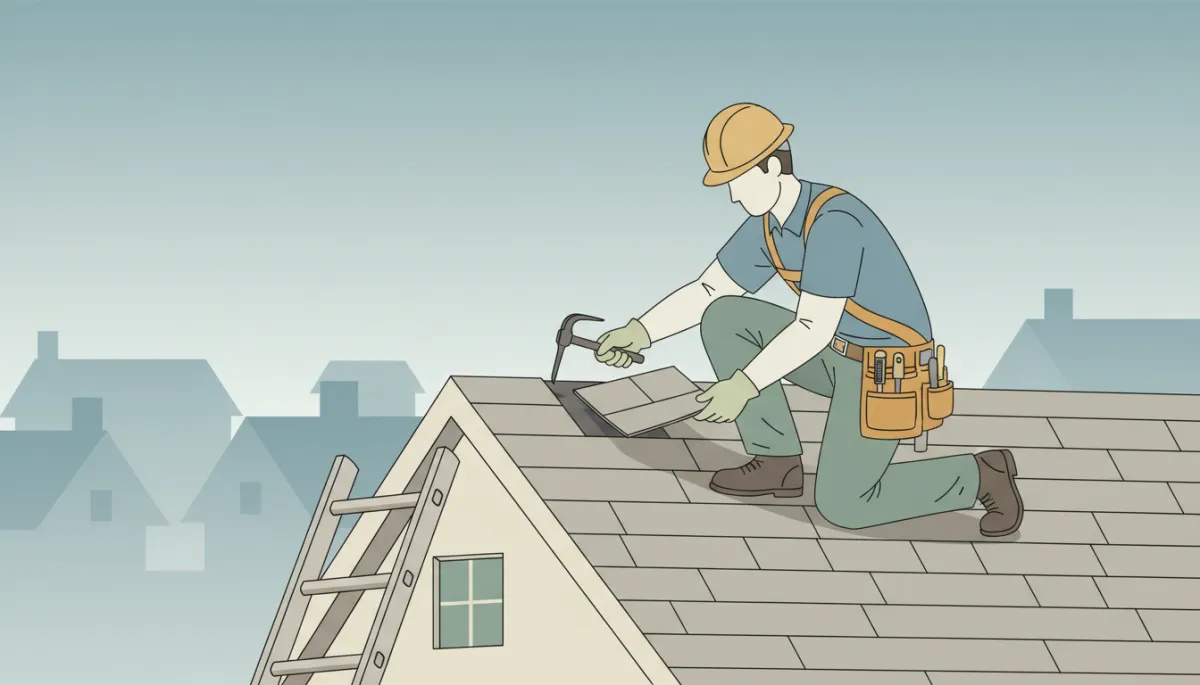
Replacing a few worn shingles early can prevent major water damage later.
3. Clogged Gutters and Poor Drainage
Gutters may not seem like part of your roof, but they play a critical role in protecting it. When gutters fill with leaves, twigs, and debris, water backs up under the shingles, overflows near your foundation, and can cause rot along the roof edge and fascia boards. In winter climates, poor drainage also contributes to ice dams, another serious roofing problem.
Prevention: Keep Water Moving Away from Your Home
Clean gutters regularly: Plan to clean gutters at least twice a year—more often if you have overhanging trees. This simple task can dramatically prevent roof leaks.
Check downspouts: Make sure water is directed several feet away from your foundation to protect both your roof edge and your basement or crawlspace.
Consider gutter guards: In leafy areas, quality gutter guards can be a smart long-term roofing solution to reduce clogs and maintenance.
⚠️ Safety Reminder: If you are not comfortable on ladders, hire a professional for gutter cleaning. Saving a small fee is never worth risking a fall.
4. Damaged or Improper Flashing
Flashing is the thin metal installed where the roof meets walls, chimneys, or other vertical surfaces. Its job is to direct water away from these vulnerable junctions. When flashing is bent, rusted, poorly sealed, or incorrectly installed, water can slip behind it and into your home. This is a subtle but very common source of leaks.
Prevention: Give High-Risk Areas Extra Attention
Focus inspections on transitions: Ask your roofer to pay special attention to chimneys, skylights, and roof-to-wall intersections during annual checkups.
Replace damaged flashing promptly: Bent or corroded flashing should be repaired or replaced immediately to prevent roof leaks in hidden areas.
Use qualified professionals: Flashing installation is detail-oriented. Choosing experienced contractors is one of the best long-term roofing solutions you can invest in.
5. Moss, Algae, and Roof Debris
In shaded or damp areas, moss and algae can grow on shingles. While light staining is often more cosmetic than structural, heavy moss growth can trap moisture against the roof surface, causing shingles to deteriorate more quickly. Piles of leaves or branches can have a similar effect, holding moisture and hiding damage beneath.
Prevention: Keep Your Roof Clean and Dry
Trim overhanging branches: Allow more sunlight and airflow on the roof surface to discourage moss and algae growth and reduce falling debris.
Gently remove debris: Have a professional clear leaves and branches from your roof periodically as part of routine roof maintenance.
Use the right cleaning methods: Avoid harsh pressure washing, which can strip protective granules from shingles. Instead, ask a roofer about safe treatments designed for algae and moss.
6. Poor Ventilation and Heat Damage
Your roof and attic need to “breathe.” Without proper ventilation, heat and moisture build up in the attic, baking shingles from below and shortening their lifespan. In winter, poor ventilation can also contribute to condensation and ice dam formation. Over time, this kind of hidden stress can become one of the most expensive roofing problems a homeowner faces.
Prevention: Balance Airflow and Insulation
Check attic vents: Make sure soffit, ridge, and gable vents are not blocked by insulation, paint, or debris so air can circulate freely.
Maintain proper insulation: Adequate attic insulation reduces heat transfer, helping to protect shingles and improve energy efficiency.
Ask about upgrades: When replacing a roof, talk with your contractor about modern ventilation systems as part of a complete roofing solution.
Building a Simple Roof Maintenance Routine
Preventing common roofing issues doesn’t require you to become a roofing expert. It’s about paying attention, acting early, and partnering with qualified professionals when needed. Here is an easy routine any homeowner can follow:
Seasonal visual checks: In spring and fall, walk around your home and look at the roof from the ground. Note any sagging, discoloration, missing shingles, or heavy debris.
Gutter and downspout care: Clean gutters, confirm downspouts are clear, and watch how water flows during a rainstorm to spot potential trouble spots.
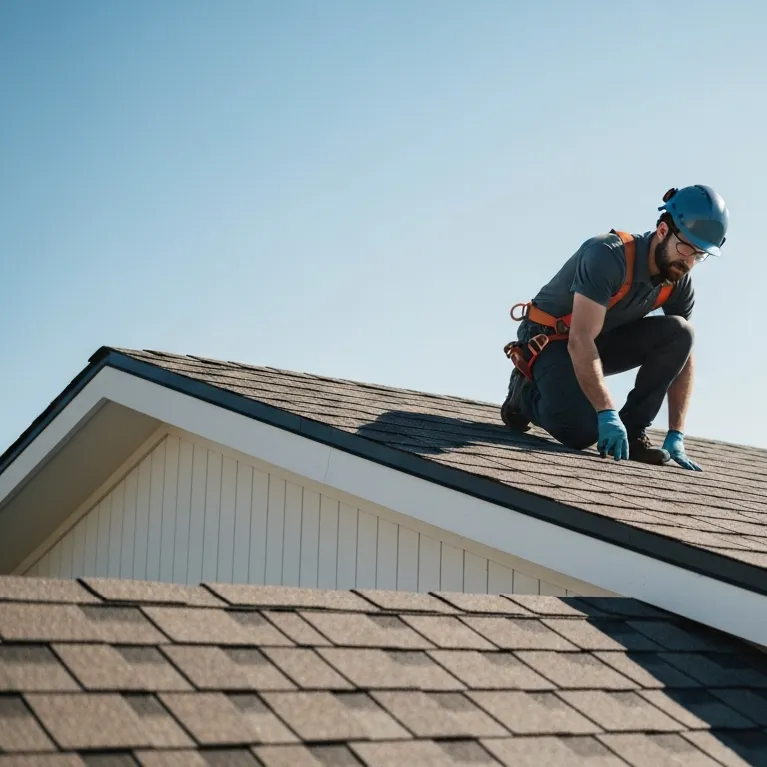
Annual professional inspection: Have a trusted roofer examine your roof, flashing, and attic once a year. Ask for photos and a written summary so you understand your roof’s condition.
Prompt repairs: Treat small repairs as an investment, not an inconvenience. Quick fixes now are the easiest way to prevent roof leaks and extend your roof’s life.
Final Thoughts: Stay Proactive, Not Reactive
Your roof doesn’t need constant attention, but it does need consistent, thoughtful care. By understanding the most common roofing problems—from leaks and missing shingles to clogged gutters, damaged flashing, moss growth, and poor ventilation—you can take simple steps to stop them before they start. A few hours of planned roof maintenance each year can save you thousands of dollars, protect your belongings, and give you peace of mind every time the forecast calls for rain.
If you are unsure about your roof’s condition, consider scheduling a professional inspection sooner rather than later. Turning today’s concerns into tomorrow’s roofing solutions is the smartest, safest way to protect your home—and everything that matters most inside it.