Avoid Hidden Costs: Timely Roof Repairs Guide
Home Improvement, Roof Repairs, Roof Maintenance
The Hidden Costs of Delaying Roof Repairs: What Homeowners Need to Know
Putting off roof repairs can feel like an easy way to save money in the short term. But for most homeowners, delaying repairs quietly turns a manageable issue into a major, expensive problem. Understanding the hidden costs of roof maintenance procrastination can help you protect your home, your wallet, and your property value.
Why Small Roof Repairs Matter More Than You Think
A missing shingle, a tiny leak, or a bit of cracked flashing may not look serious, but your roof is a system. When one part is compromised, the rest of the structure is slowly exposed to water and weather. Timely roof repairs are usually simple and relatively affordable. Left unaddressed, though, those same issues can spread, turning into structural damage that costs many times more to fix.
Think of roof maintenance like routine car service: changing the oil is cheap, but replacing an engine is not. The same logic applies to your home. Regular inspections and quick attention to minor problems keep homeowner expenses predictable and controlled, rather than forcing you into emergency spending when something fails.
Hidden Costs of Delaying Repairs Inside Your Home
One of the biggest hidden costs of delaying roof repairs is interior damage. Water rarely stays in one place. A small leak can travel along rafters and insulation before finally appearing as a stain on your ceiling or wall. By the time you notice it, the damage behind the surface may already be extensive.
Ceiling and drywall repairs: Saturated drywall can sag, crumble, and grow mold, requiring not just patching, but full replacement and repainting.
Flooring and furnishings: Persistent drips can ruin hardwood floors, carpet, and even furniture, adding hundreds or thousands to homeowner expenses.
Electrical risks: Water near light fixtures, wiring, or junction boxes is a serious safety hazard that may require an electrician as well as a roofer.
These are all indirect costs of delaying repairs that rarely show up in a quick quote for roof work, but they are very real when problems are ignored. Addressing a leak early often means a simple patch. Waiting can mean hiring multiple contractors and living through disruptive interior renovations.
Structural Damage: The Most Expensive Hidden Cost
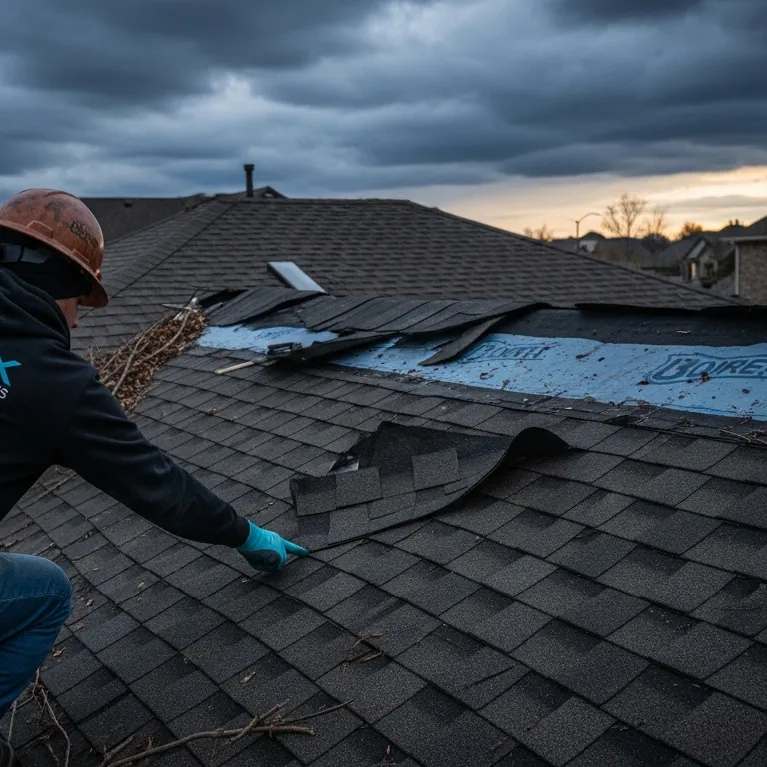
Your roof does more than keep rain off your head; it protects the bones of your house. When water repeatedly seeps under shingles or through flashing, it can rot the wooden decking, rafters, and even wall framing. At this stage, you are no longer paying for simple roof repairs—you are paying for structural restoration.
Replacing rotten sheathing, reinforcing weakened trusses, or rebuilding sections of roof framing can multiply your costs. What might have been a modest bill for early roof maintenance can become a full roof replacement combined with carpentry, engineering assessments, and extended labor. Delaying repairs essentially allows small problems to compound quietly until they reach a crisis point.
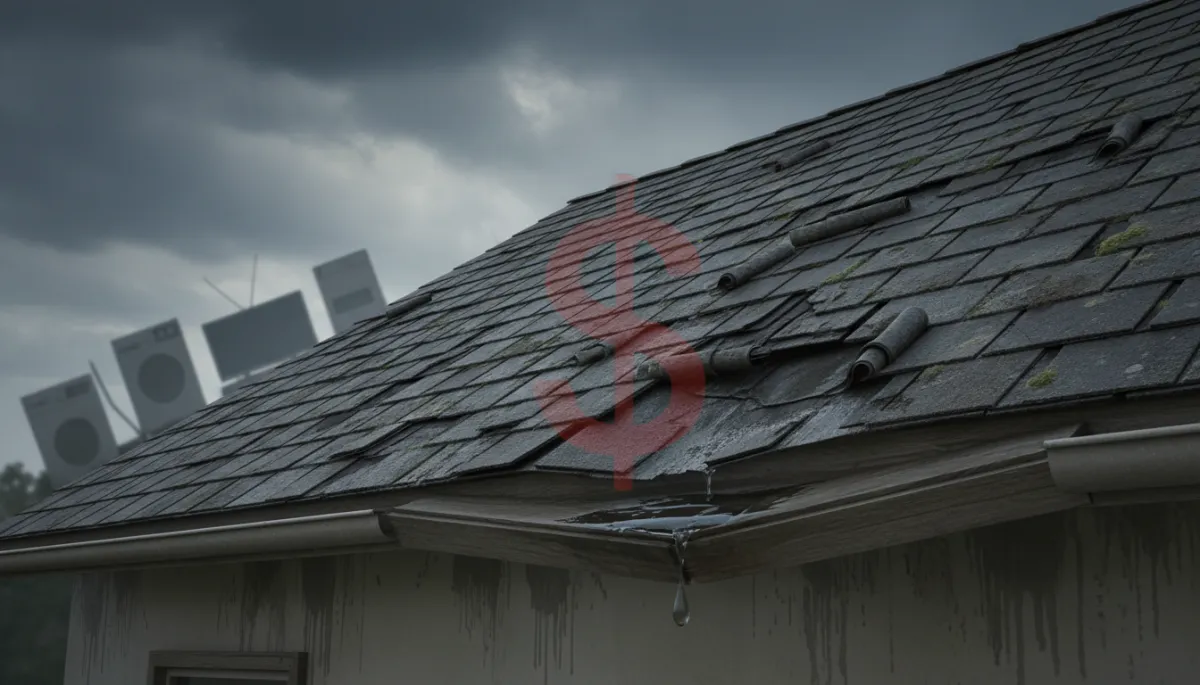
Undetected leaks often lead to costly structural repairs in attics and framing.
Mold, Air Quality, and Health-Related Expenses
Wherever moisture lingers, mold can follow. When roof leaks go unrepaired, insulation and wood stay damp, creating ideal conditions for mold growth in attics, ceilings, and wall cavities. This is another hidden cost of delaying roof repairs: the impact on your indoor air quality and potentially your family’s health.
Professional mold remediation, replacement of contaminated insulation, and deep cleaning can be very expensive. In some cases, homeowners also face medical bills related to respiratory issues, allergies, or asthma aggravated by mold spores. Investing in prompt roof maintenance is far less costly than paying for both remediation and health-related consequences later on.
How Delaying Roof Repairs Affects Your Property Value
Even if you are not planning to sell right away, your roof plays a major role in your property value. Buyers and home inspectors pay close attention to roof condition, and a neglected roof can quickly become a deal-breaker—or a powerful negotiation tool against you.
Lower offers: Visible wear, curling shingles, or signs of past leaks often lead buyers to lower their offers to account for expected roof repairs.
Failed inspections: An inspector who finds ongoing leaks, mold, or structural concerns may recommend costly corrections before closing.
Reduced buyer confidence: A roof in poor condition suggests broader neglect, making your entire home seem riskier to purchase.
In contrast, a well-maintained roof reassures buyers and supports a stronger asking price. Proactive roof maintenance is not just about avoiding damage; it is also a strategic way to preserve and potentially increase your property value over time.
Keeping Homeowner Expenses Under Control with Proactive Care
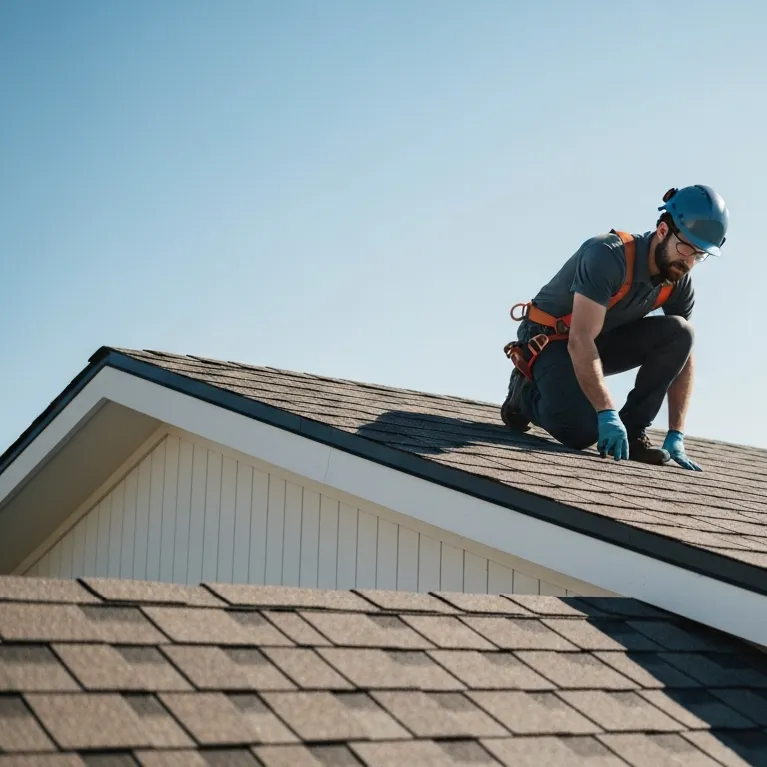
The good news is that many of these hidden costs are avoidable. Scheduling regular roof inspections—especially after severe weather—and addressing issues promptly can keep repairs small and manageable. Simple steps like cleaning gutters, checking for missing shingles, and monitoring your attic for signs of moisture all contribute to effective roof maintenance.
💡 Pro Tip: Budget a modest yearly amount for roof inspections and minor roof repairs. This predictable expense is far easier to handle than a sudden, large bill for extensive damage or a full replacement.
When you view your roof as a long-term investment rather than a short-term inconvenience, the choice becomes clear. Delaying repairs may feel like saving money today, but the hidden costs—interior damage, structural problems, health risks, and reduced property value—can easily outweigh any temporary savings. Acting early protects both your home and your financial peace of mind.