Houston Hail Storm 2026: Roof Damage & Insurance Tips
Hail Storm Damage, Roof Replacement Insurance, Houston Roofing, Insurance Claim Process, Roofing Contractor Assistance, April 30 2026 Hail
April 30, 2026 Houston Hail Storm: Roof Damage, Insurance, and How a Roofer Can Protect You
The April 30, 2026 hail storm in Houston, TX may not have made national headlines, but it quietly left its mark on thousands of homes. Even “moderate” hail between one and one-and-a-quarter inches in diameter can bruise shingles, shorten roof life, and open the door to leaks months or even years later. If you live anywhere in the Houston area, understanding how this storm may have affected your roof—and how to navigate Roof Replacement Insurance—is essential to protecting your home and your wallet.
What Really Happened on April 30, 2026 in Houston?
On April 30, 2026, a broad severe-weather system swept across Texas. Houston sat on the edge of this system and experienced hail averaging around 1.13 inches, with some pockets up to about 1.25 inches, according to hail mapping services such as Interactive Hail Maps. While other parts of Texas saw massive 4–5 inch hailstones, Houston’s hail was smaller—but still large enough to cause Hail Storm Damage to roofs, gutters, vents, and vehicles, especially in neighborhoods that took the brunt of the storm.
Because the storm did not produce dramatic images of shattered windows and collapsed roofs, many homeowners assumed there was no serious damage. That can be a costly assumption. Hail in the one-inch range can bruise shingles, knock off protective granules, crack sealant, and loosen flashing—issues that may not leak immediately but can dramatically shorten your roof’s lifespan and undermine future insurance coverage if left undocumented.
How Hail Damages Houston Roofs (Even When It Looks “Minor”)
In a hot, humid climate like Houston, roofs are already under constant stress from UV rays, heavy rain, and high temperatures. When you add hail into the mix—like the April 30 2026 Hail storm—the damage may be subtle but serious. Common forms of hail-related roof damage include:
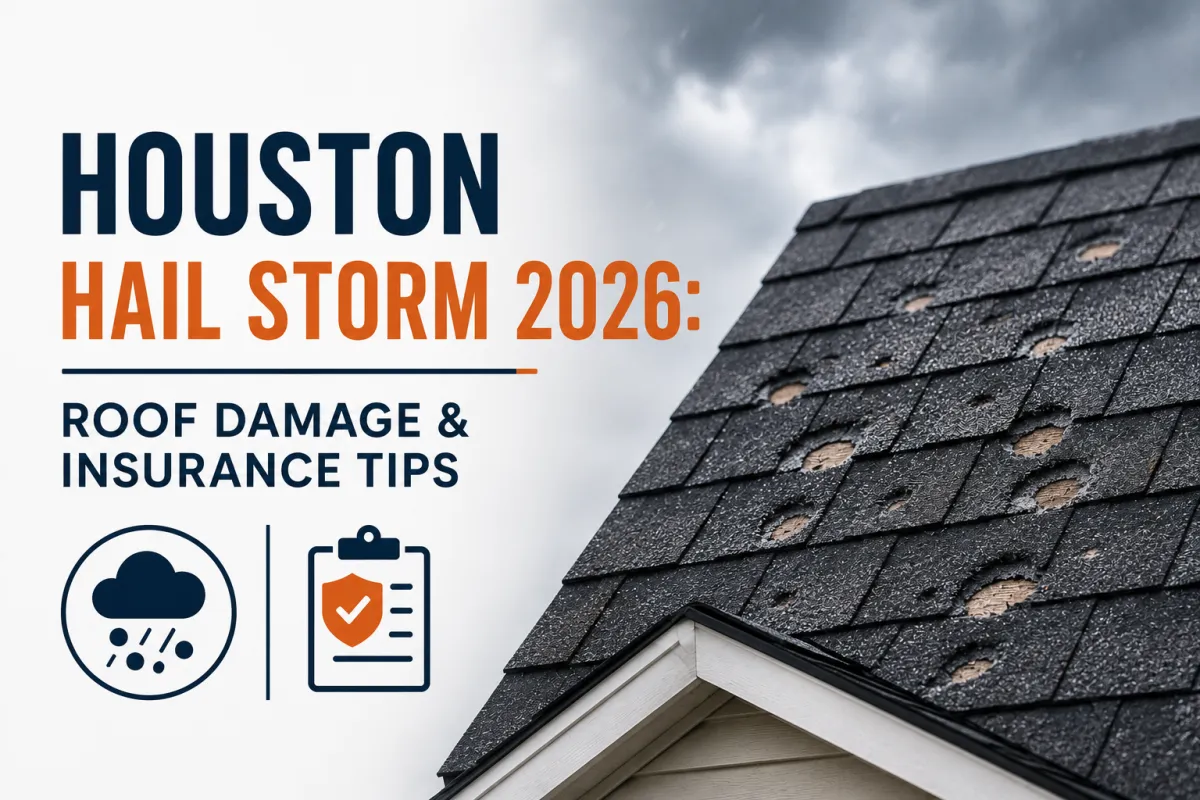
Bruised or fractured shingles: Hail hits can compress the shingle mat, weakening it so it becomes brittle and prone to cracking later on.
Granule loss: Those sand-like granules protect shingles from the sun. Hail can knock them off, exposing asphalt to UV damage and accelerating aging.
Damaged flashing and vents: Metal components may dent, bend, or loosen, creating weak points where water can later seep in during Houston’s heavy rains.
Hidden leaks: You might not see water inside right away. Moisture can slowly penetrate the roof deck, insulation, and framing over time, leading to mold or rot.
This is why Houston Roofing professionals often recommend a thorough inspection after any significant hail event—even when the damage isn’t obvious from the ground. Catching issues early can make the difference between a covered Roof Replacement Insurance claim and a denied claim years later when problems finally show up inside your home.

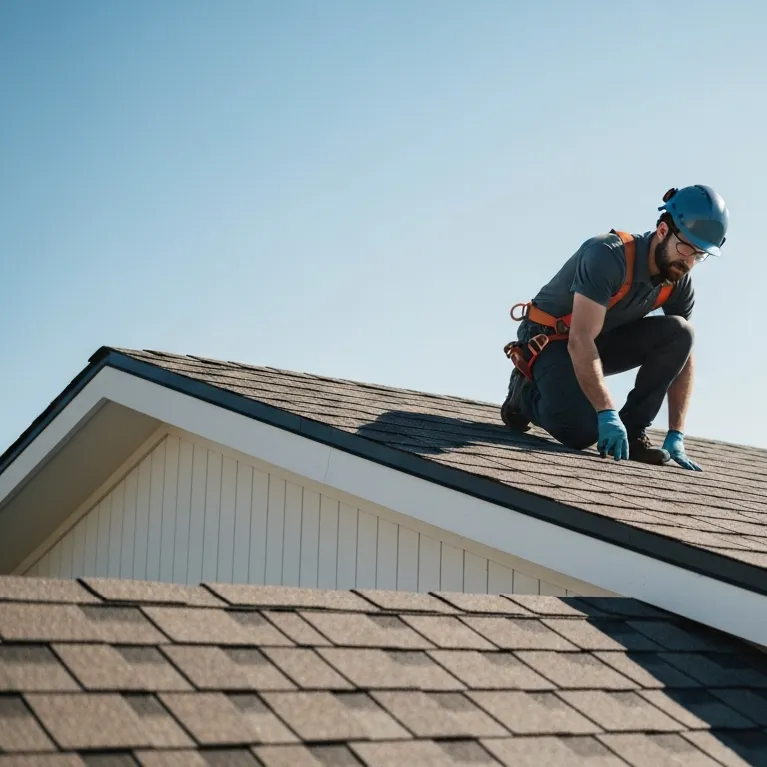
Professional inspections reveal hail damage most homeowners simply cannot see from the ground.
Does Insurance Cover Roof Replacement After the April 30, 2026 Hail Storm?
In most cases, standard homeowners policies in Texas cover Hail Storm Damage as a named peril. That means if the April 30, 2026 storm caused functional damage to your roof, your policy may help pay for repairs or even a full replacement, subject to your deductible and policy terms. According to consumer insurance guides from sources like Forbes Advisor and Insurance.com, hail is one of the most common reasons for roof-related claims nationwide, and roof replacement is often covered when the damage affects performance rather than just appearance.
However, every policy is different. Some Houston homeowners have actual cash value (ACV) coverage, which factors in depreciation, while others have replacement cost value (RCV), which is more generous. Some policies have specific hail or windstorm deductibles. To know where you stand, you need to:
Review your declarations page and policy language for hail and wind coverage.
Note your deductible amount and whether it is a flat amount or a percentage of your dwelling coverage.
Check for exclusions or limitations related to older roofs or prior unrepaired damage.
📌 Key Takeaway: Don’t assume the April 30 2026 Hail event was “too small” to qualify. Insurers rely on documentation and expert opinions, not just headline news, to decide whether your roof qualifies for replacement.
Step-by-Step: The Insurance Claim Process for Hail-Damaged Roofs in Houston
If you suspect your roof was affected by the April 30 storm, here’s a practical guide to the Insurance Claim Process tailored to Houston homeowners:
Schedule a professional roof inspection first. Before you ever call your insurer, contact a reputable Houston Roofing company that specializes in storm damage and insurance work. They can identify damage, document it with photos, and tell you whether a claim is likely justified.
Document everything. Take your own photos from the ground and inside your attic if safe. Note the date (April 30, 2026) and time of the storm and any immediate issues you noticed, such as loose shingles or new ceiling spots after later rains.
Review your homeowners policy. Confirm hail coverage, deductibles, and whether your roof is covered at ACV or RCV. This helps you understand what to expect financially from Roof Replacement Insurance.
File the claim promptly. Most insurers require you to file within a reasonable time after the event. Call your carrier, mention the April 30 2026 Hail storm specifically, and request a roof inspection for hail damage.
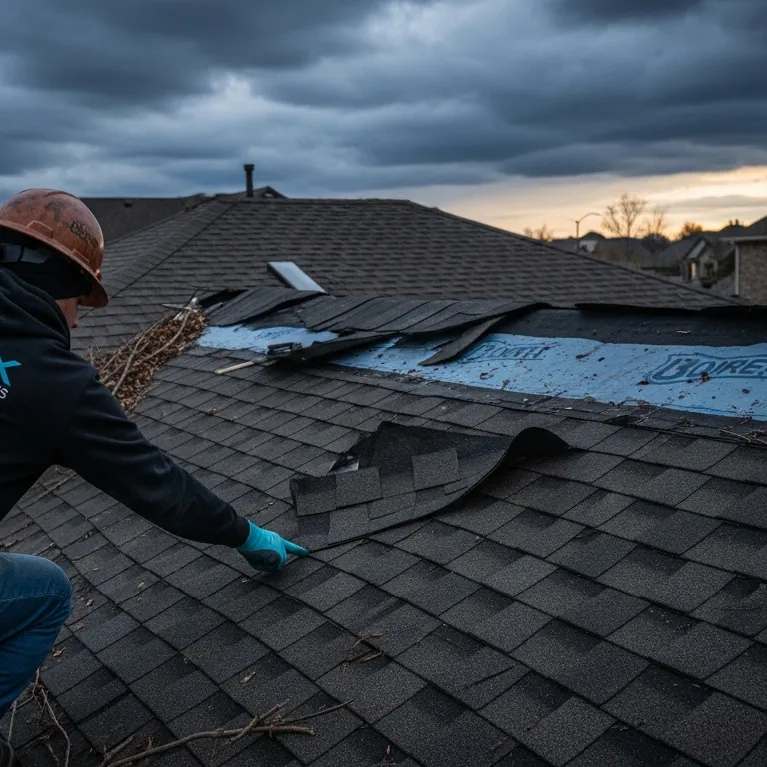
Schedule the adjuster meeting—and bring your roofer. This is where Roofing Contractor Assistance becomes critical. Ask your roofing contractor to be on-site when the insurance adjuster visits so they can walk the roof together, point out damage, and ensure nothing is overlooked.
Compare the adjuster’s report with your roofer’s estimate. Your contractor can help you review the adjuster’s scope of work and pricing to confirm that all necessary repairs—or full replacement—are included.
Approve the claim and schedule the work. Once your claim is approved, your insurer will issue payment according to your policy terms. You can then move forward with your chosen contractor to replace or repair the roof.
Why It’s So Important to Have a Roofer Meet with Your Insurance Adjuster
Many homeowners assume the adjuster’s word is final. In reality, adjusters are trained to evaluate damage, but they may not be roofing specialists, and they are under pressure to control claim costs. A qualified roofing contractor acts as your advocate, helping ensure the adjuster sees the full picture of your Hail Storm Damage.
Technical expertise: An experienced roofer knows how hail affects different shingle types, underlayment, and flashing, and can distinguish between old wear and fresh storm damage from April 30, 2026.
Clear communication: Your roofer can explain why certain damage is “functional,” meaning it impacts performance and should be covered under Roof Replacement Insurance, not dismissed as cosmetic.
Accurate scope of work: With Roofing Contractor Assistance, items like ridge caps, ventilation, gutters, and code-required upgrades are more likely to be properly included in the claim.
💡 Pro Tip: When you schedule the adjuster visit, immediately loop in your roofer and confirm a time when they can both be there. This single step can dramatically improve your claim outcome.
How a Roofing Contractor Guides You Through the Claim Process
A reputable Houston roofing contractor does more than just swing a hammer. When it comes to the Insurance Claim Process, they can act as your guide from start to finish:
Initial inspection and documentation: They’ll take detailed photos, mark hail hits, and create a written report tying the damage directly to the April 30, 2026 storm.
Helping you file the claim: While they can’t speak for you legally, they can help you understand what to say, what documents to provide, and how to reference the specific hail event in Houston.
Meeting the adjuster: As discussed, they walk the roof with the adjuster, pointing out damage and answering technical questions on the spot.
Reviewing the insurance estimate: After the adjuster’s report arrives, your contractor can compare it to their own scope and request supplements if important items were missed.
Coordinating materials and installation: They’ll help you choose appropriate shingles for Houston’s climate, pull permits if required, and schedule the roof replacement so disruption to your daily life is minimal.
This level of support turns a confusing, paperwork-heavy process into a manageable project. Instead of arguing with your insurer yourself, you have a professional who understands both roofing and insurance standards advocating for you every step of the way.
Choosing the Right Houston Roofing Contractor After a Hail Storm
Not all contractors are created equal, especially after a storm when “door knockers” and out-of-town crews flood Houston neighborhoods. To protect your home and your claim:
Look for a local, established Houston Roofing company with a physical office and strong online reviews.
Confirm they are insured, properly registered or licensed where required, and experienced with Roof Replacement Insurance claims.
Avoid anyone who pressures you to sign right away or promises to “eat your deductible”—that’s a red flag and can even be insurance fraud.
Final Thoughts: Don’t Ignore the April 30, 2026 Hail Storm
The April 30, 2026 hail storm may not have been Houston’s most dramatic weather event, but it was more than enough to damage roofs across the metro area. Because the hail size was “moderate,” many homeowners will never think to check their roofs—or their insurance options—until leaks appear years down the road, when it may be too late to connect the damage to a covered event.
If you live in Houston and your home was under that storm system, now is the time to act. Schedule a professional inspection, understand your coverage, and lean on Roofing Contractor Assistance to guide you through the Insurance Claim Process. With the right roofer by your side—standing on the roof with your insurance adjuster, documenting every hail hit—you give yourself the best chance of securing a properly funded roof replacement and protecting your home for the long term.