Prevent Roof Leaks from Causing Structural Damage
Home Maintenance, Roof Leaks, Structural Damage
How Small Roof Leaks Turn Into Major Structural Damage If Left Untreated
A tiny stain on your ceiling or the occasional drip during a heavy storm might not seem like an emergency, but even the smallest roof leaks can set off a chain reaction that leads to serious structural damage, expensive roof repair, and major disruption to your life and home.
The Silent Threat: Why Small Roof Leaks Matter
Roof leaks rarely start as dramatic gushes of water. More often, they begin as a slow, almost invisible trickle caused by a missing shingle, cracked flashing, or a tiny puncture in your roofing material. Because the problem is hidden above the ceiling and behind walls, you may only notice a faint discoloration, a musty smell, or a slightly soft patch of drywall. By the time these signs appear, water damage has often been happening for weeks or even months.
Water is relentless. Once it finds a way in, it follows gravity and the path of least resistance, soaking insulation, seeping into timber, and collecting in hidden cavities. What starts as a minor nuisance quickly becomes a serious home maintenance issue, and if you don’t act promptly to prevent leaks from spreading, your entire roofing system and structure can be compromised.
How Water Damage Spreads Through Your Home
To understand how small roof leaks turn into major structural damage, it helps to follow the path water takes once it gets past your roof’s outer layer. Think of your home as a layered system: roofing material, underlayment, roof deck, insulation, framing, drywall, and finishes. Water can affect each layer in different ways, often without immediately revealing itself on the surface.
Roofing material: Damaged shingles, tiles, or metal panels allow water to penetrate. At first, the leak might only occur during wind-driven rain, so it’s easy to overlook or dismiss as a one-off event.
Underlayment and roof deck: As water seeps below the surface, it begins to saturate the wooden roof deck. Prolonged moisture causes wood to swell, warp, and eventually rot, weakening the base that supports your entire roof.
Insulation: Wet insulation clumps, compresses, and loses its effectiveness. This not only increases your heating and cooling costs but also holds moisture against framing members, accelerating decay and mold growth.
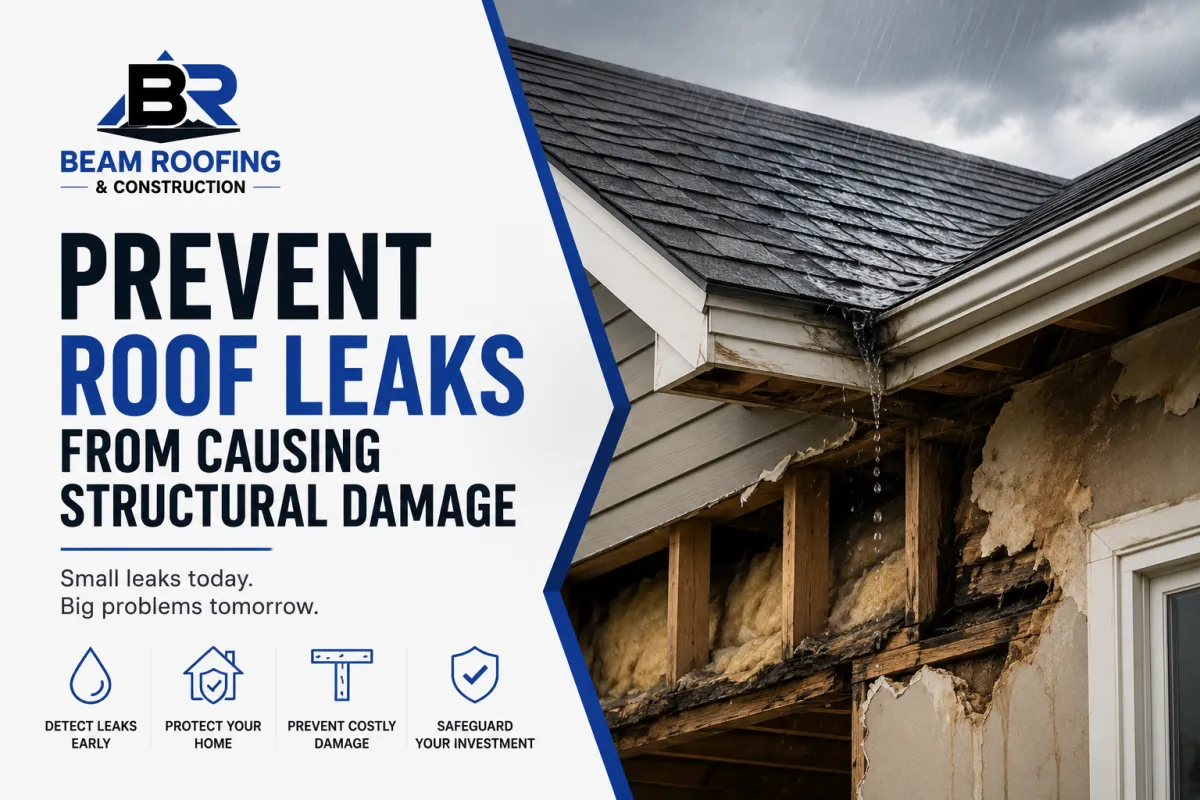
Framing and structural elements: Rafters, joists, and beams can absorb water over time. Persistent dampness leads to structural damage such as sagging roofs, weakened supports, and in severe cases, partial collapse.

Hidden water damage in the attic often appears long before interior leaks are visible.
From Cosmetic Issues to Serious Structural Damage
At first, the consequences of roof leaks may look purely cosmetic: a yellowed patch on the ceiling, peeling paint, or bubbling wallpaper. While these are certainly unsightly, they are also warning signs that water has already passed through several layers of your home’s envelope. Ignoring them allows the problem to worsen in ways you can’t see until it becomes critical.
Ceiling and wall damage: Repeated wetting and drying causes drywall to crumble, crack, and sag. In extreme cases, heavy, waterlogged sections can collapse suddenly, posing a safety risk to anyone below.
Flooring and subfloor problems: Water that runs down walls or travels along beams can pool on floors or seep into subfloors. Hardwood may cup or buckle, laminate can swell, and structural sheathing underneath can rot, leading to spongy, uneven floors.
Mold and indoor air quality: Moist, dark spaces created by untreated roof leaks are ideal environments for mold. Once mold takes hold, it can spread quickly, releasing spores that aggravate allergies, trigger respiratory issues, and create persistent odors that are difficult to remove.
Over time, these issues compound. What could have been a simple roof repair involving a few shingles and some flashing can turn into a full roof replacement, structural reinforcement, extensive mold remediation, and interior renovations. The cost difference is often thousands of dollars, not to mention the stress and disruption to your daily life.
The Role of Regular Home Maintenance in Preventing Leaks
The good news is that most serious roof leaks and structural damage can be avoided with consistent, proactive home maintenance. Your roof is a working system that faces sun, rain, wind, and debris year-round. Just as you service your car to keep it reliable, you need to inspect and maintain your roof to ensure it continues to protect your home effectively.
💡 Pro Tip: Schedule a roof inspection at least once a year, and always after major storms. Catching early signs of water damage is far cheaper than repairing structural failure later.
Simple steps can dramatically reduce your risk:
Keep gutters and downspouts clear so water can flow freely away from your roof and foundation.
Trim overhanging branches that can scrape shingles, drop debris, or fall during storms, puncturing the roof surface.
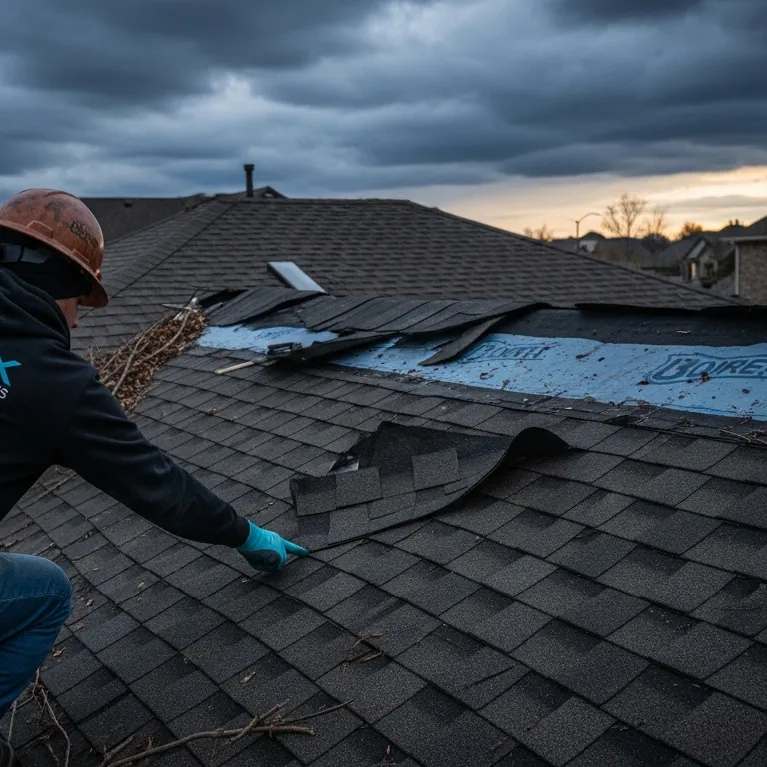
Check for loose, missing, or curled shingles, cracked tiles, or rusted metal panels and have them repaired promptly.
Inspect flashing around chimneys, skylights, and vents, as these are common entry points for water.
When to Call a Professional for Roof Repair
While some aspects of roof maintenance—like clearing gutters or checking for visible debris—are safe for most homeowners, diagnosing and repairing roof leaks is usually best left to a qualified roofing professional. Roof systems are complex, and water can travel far from the original entry point before showing up inside your home. What appears to be a small stain in one area might be caused by damage several feet away, or even on a different section of the roof.
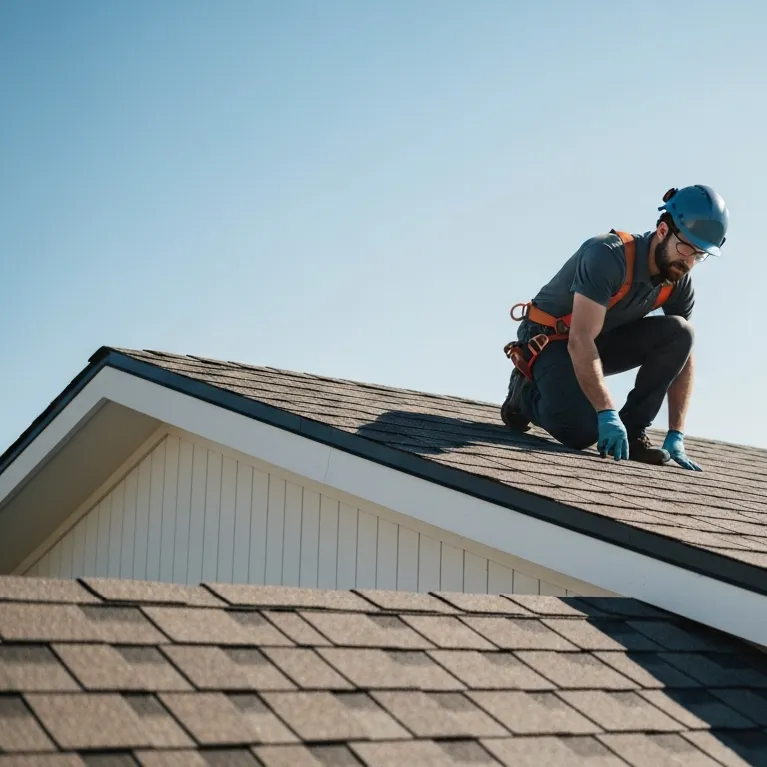
A professional roofer can trace the source of the leak, assess the extent of water damage, and recommend the right level of roof repair. In some cases, this might mean replacing a small section of shingles and sealing flashing. In others, especially where structural damage has already begun, it could involve reinforcing or replacing parts of the roof deck, rafters, or support beams. The sooner you bring in an expert, the more likely you are to limit the damage and keep costs under control.
Early Warning Signs You Should Never Ignore
To prevent leaks from escalating, pay attention to subtle changes in your home. Small clues often appear long before major problems emerge. Take action if you notice:
Discolored or damp spots on ceilings or upper walls, even if they dry out between storms.
Peeling paint, bubbling plaster, or warped trim near the ceiling line or around skylights and chimneys.
A musty or damp smell in the attic, even if you don’t see visible water.
Visible mold spots on rafters, insulation, or attic sheathing.
📌 Key Takeaway: If you see or smell any sign of moisture where it shouldn’t be, assume there is a roof leak until a professional proves otherwise. Waiting rarely makes the problem cheaper or easier to fix.
Protecting Your Investment: Why Prompt Action Pays Off
Your home is likely your largest investment, and your roof is its first line of defense. Allowing small roof leaks to linger undermines that protection and invites water damage into the very bones of your house. Structural damage doesn’t happen overnight, but it also doesn’t stop on its own. Every storm, every freeze-thaw cycle, and every day of trapped moisture quietly worsens the situation.
By treating even minor leaks as urgent home maintenance tasks, you can prevent leaks from spreading, preserve the integrity of your roof system, and avoid the cascading costs of major repairs. Prompt roof repair not only protects your home’s structure, but also safeguards your belongings, your health, and your peace of mind. In most cases, the cost of early intervention is a fraction of what you would pay to address widespread water damage and structural issues down the road.
Final Thoughts: Don’t Wait for a Crisis
Small roof leaks are easy to ignore, especially when life is busy and the signs seem minor. Yet those tiny drips and faint stains are often the first chapter in a much larger story of water damage and structural decay. By staying alert, prioritizing routine roof inspections, and calling a professional at the first sign of trouble, you can turn a potential crisis into a manageable repair.
In the end, protecting your home comes down to one simple principle: never underestimate a leak. Addressing roof leaks quickly is one of the smartest home maintenance decisions you can make—and one of the most effective ways to shield your home from costly structural damage for years to come.