Professional Roof Inspection: Save Thousands
Home Maintenance, Roof Inspection, Professional Roofing
What a Professional Roof Inspection Actually Includes (And How It Can Save You Thousands
A roof that looks fine from your driveway can still be hiding costly problems. A professional roof inspection goes far beyond a quick glance at your shingles—it’s a detailed health check that can prevent leaks, structural issues, and major long-term damage to your home. Understanding what’s included in a thorough inspection helps you see why it’s one of the smartest roof maintenance investments a homeowner can make.
What a Professional Roof Inspection Actually Includes
A reputable professional roofing contractor follows a systematic process. While every company has its own checklist, a complete roof inspection typically covers four key areas: the exterior surface, flashing and penetrations, gutters and drainage, and the attic or interior side of the roof system.
1. Exterior Roof Surface and Materials
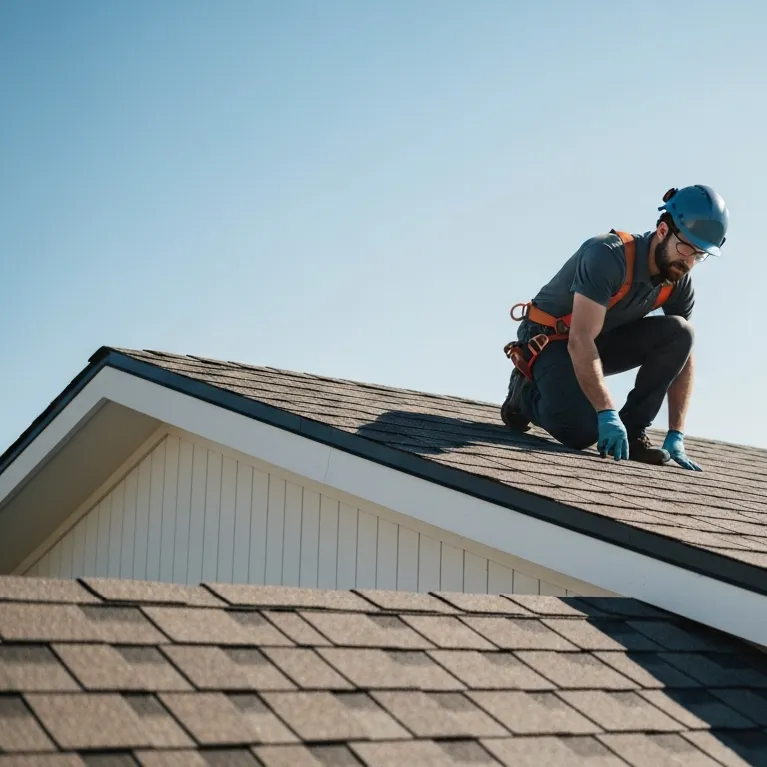
On the outside, the inspector walks the roof (when it’s safe) or uses ladders and sometimes drones to evaluate the condition of the roofing materials. For asphalt shingles, they look for:
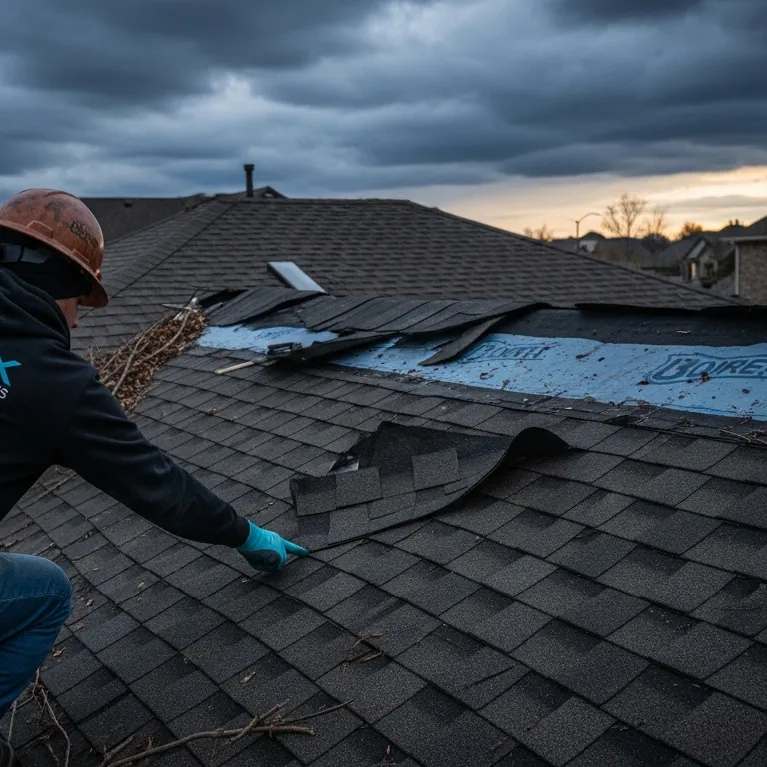
Missing, cracked, curling, or blistered shingles
Granule loss that exposes the shingle backing (a sign of aging)
Soft spots or sagging that may indicate rot in the decking below
For tile, metal, or flat roofs, they check for cracked or displaced tiles, rust, loose fasteners, punctures, ponding water, and failed seams. This part of the roof maintenance checkup answers a basic question: is the outer skin of your roof still doing its job of shedding water?
2. Flashing, Chimneys, and Roof Penetrations
Most leaks don’t start in the middle of a roof field—they start where the roof meets something else. During a professional roof inspection, the contractor closely examines:
Metal flashing around chimneys, skylights, and walls for rust, gaps, and improper sealing
Rubber boots and seals around plumbing vents and exhaust fans for cracking or deterioration
Chimney caps, bricks, and mortar joints for loose or crumbling areas that can let water in
These small components are critical to a watertight roof. Catching issues here early is a major source of cost savings for homeowners.
3. Gutters, Downspouts, and Drainage Paths
Your gutters are part of your roof system. A thorough roof inspection includes checking that gutters and downspouts are securely attached, properly sloped, and free of debris. The inspector looks for:
Clogs that cause water to back up under shingles or over fascia boards
Signs of water staining on siding or foundation from poor drainage
Excessive shingle granules in the gutters, indicating accelerated wear

-toned photo of a roofing inspector on a ladder checking gutters and flashing on a residential...
Simple gutter fixes during an inspection can prevent hidden water damage repairs later.
4. Attic and Interior Signs of Trouble
A real professional roofing assessment doesn’t stop outside. When accessible, the inspector will also check your attic or top-floor ceilings for:
Dark stains, damp insulation, or mold growth from slow leaks
Daylight shining through gaps in the roof deck
Improper or blocked ventilation that can overheat your roof and shorten its life
This inside-out approach gives a complete picture of your roof’s condition and helps pinpoint issues that may not yet be visible from the street.
How Roof Inspections Prevent Long-Term Damage and Major Costs
So how does all of this translate into real cost savings for you as a homeowner? The answer is simple: water is relentless, and small problems rarely stay small. Regular roof maintenance and inspections help you act while repairs are still minor and affordable.
Stopping Leaks Before They Spread
A cracked vent boot or a loose shingle might cost a few hundred dollars to fix. Left alone, that same small entry point can allow water to soak insulation, rot roof decking, stain ceilings, and even damage electrical systems. Suddenly, you’re looking at thousands in interior repairs plus partial roof replacement.
A professional roof inspection is your early-warning system. By catching vulnerabilities before they leak, you avoid the domino effect of long-term damage spreading into multiple parts of your home.
Extending the Life of Your Roof
Roof replacement is one of the biggest expenses a homeowner faces. Routine roof maintenance —including inspections, minor repairs, and keeping gutters clear—can add years to your roof’s lifespan. That means you spread the cost of a new roof over a longer period, improving your overall cost savings and protecting your home’s value.
Protecting Warranties and Insurance Claims
Many roofing material warranties and some homeowners insurance policies expect you to maintain your roof. Documented roof inspections from a licensed professional roofing contractor can support future warranty or storm-damage claims. Without proof that you’ve taken reasonable care, you may be left paying out of pocket for damage that might otherwise have been covered.
Practical Homeowner Tips for Roof Maintenance and Inspections
You don’t need to climb on your roof to be proactive. These simple homeowner tips can help you get the most from professional roofing services:
Schedule a roof inspection at least once a year, and after major storms with high winds or hail.
Walk your property from the ground a few times a year to look for missing shingles, sagging areas, or heavy debris on the roof.
Keep trees trimmed back so branches don’t rub against the roof or drop excess leaves into gutters.
Ask your contractor for photos and a written report so you understand any recommended repairs and can track long-term damage risks.
💡 Homeowner Tip: Don’t wait until you see a ceiling stain. By the time water appears inside, the leak has often been active for months.
The Bottom Line: A Small Inspection Fee, Big Cost Savings
A professional roof inspection typically costs a fraction of even a modest repair bill, and far less than the price of replacing a roof or repairing structural water damage. By understanding what an inspection actually includes—surface checks, flashing and penetrations, gutters, and attic review—you can see how this simple step protects your home from hidden long-term damage.
For most homeowners, partnering with a trusted professional roofing contractor and making inspections part of your regular roof maintenance plan is one of the smartest homeowner tips you can follow. A couple of hours of expert attention today can easily save you thousands tomorrow—and keep the roof over your head performing the way it should for years to come.