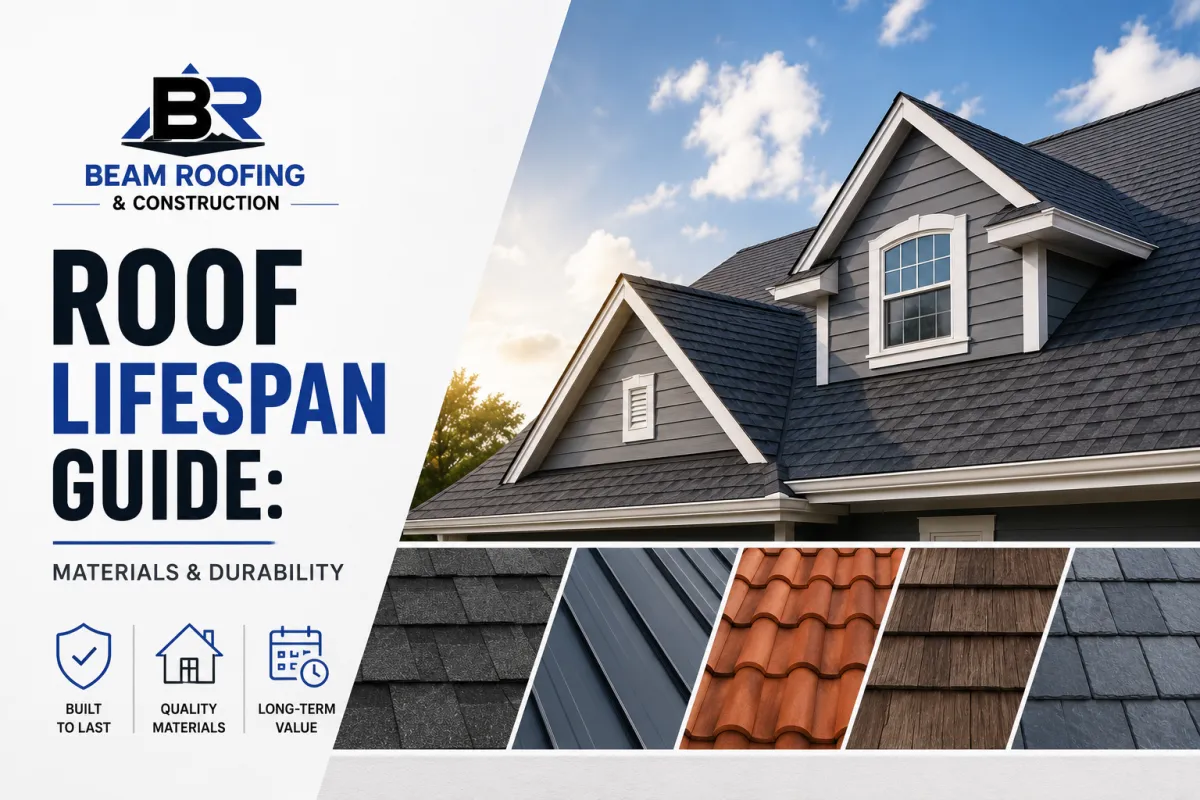
Roof Lifespan Guide: Materials & Durability
Home Improvement, Roofing Materials
How Long Does a Roof Really Last? A Friendly Guide to Roofing Materials and Lifespan
If you’ve ever stared up at your roof and wondered, “How much longer will this thing last?”, you’re not alone. Understanding the true lifespan of different roofing materials—and what actually affects their durability—can help you plan ahead, protect your home, and avoid surprise leaks and big bills.
The Big Picture: Roof Lifespan Comparison
Roofs don’t last forever, but some stick around much longer than others. Here’s a simple roof lifespan comparison for the most common residential roofing materials:
Asphalt shingles: about 15–30 years, depending on quality and care
Metal roofing: about 40–70 years, sometimes more with excellent maintenance
Tile roofing (concrete or clay): about 50–100 years, when properly installed and maintained
These numbers are general ranges, not guarantees. Your actual roof lifespan depends on climate, installation, Roof Maintenance habits, and even the color of the material. Let’s look more closely at each type so you can decide what fits your home and budget best.
Shingle Lifespan: America’s Most Popular Roof
Asphalt shingles are the most common Roofing Materials in the U.S. because they’re affordable, widely available, and come in many styles and colors. For most homes, standard three-tab shingles last around 15–20 years, while higher-quality architectural shingles can reach 25–30 years or more with good care.
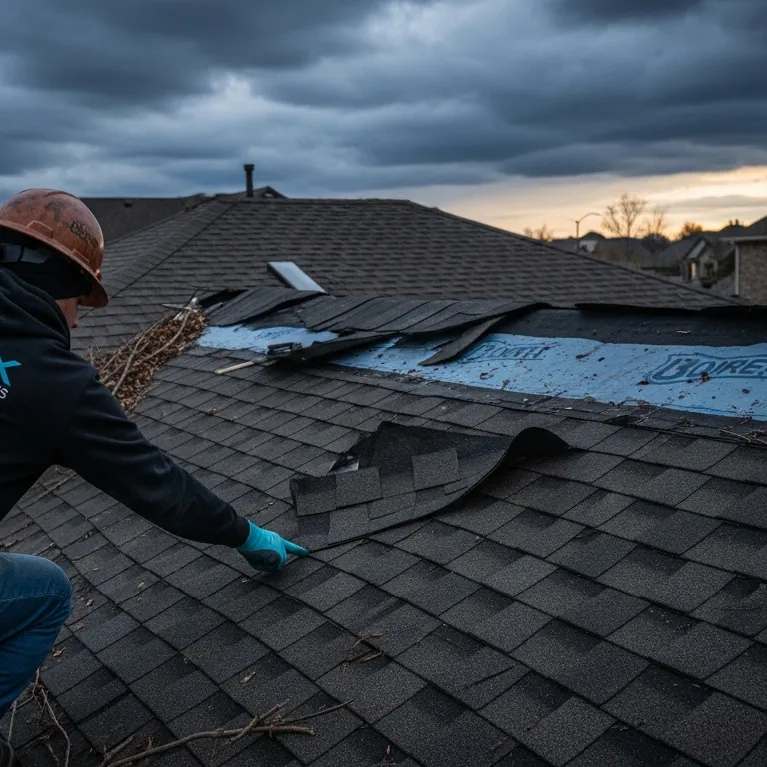
What shortens shingle lifespan? Constant sun exposure can dry them out and cause cracking. High winds may lift or tear them, and poor attic ventilation can “cook” them from underneath. Moss and algae growth also hold moisture against the surface, slowly breaking down the material over time.
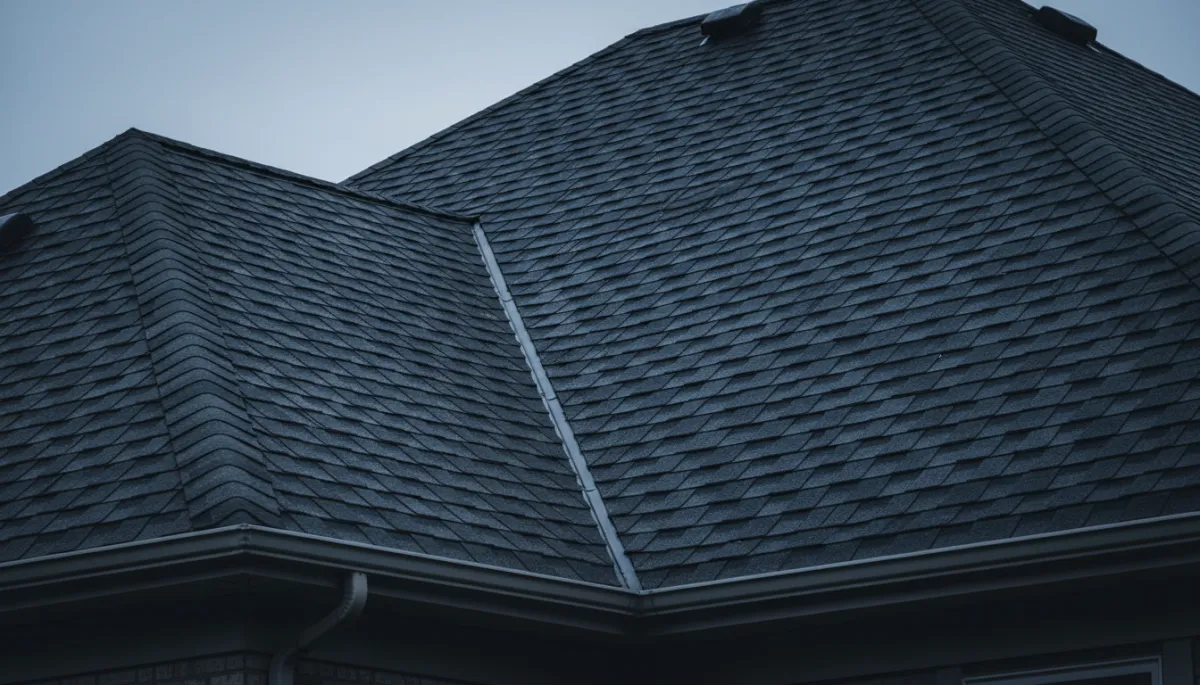
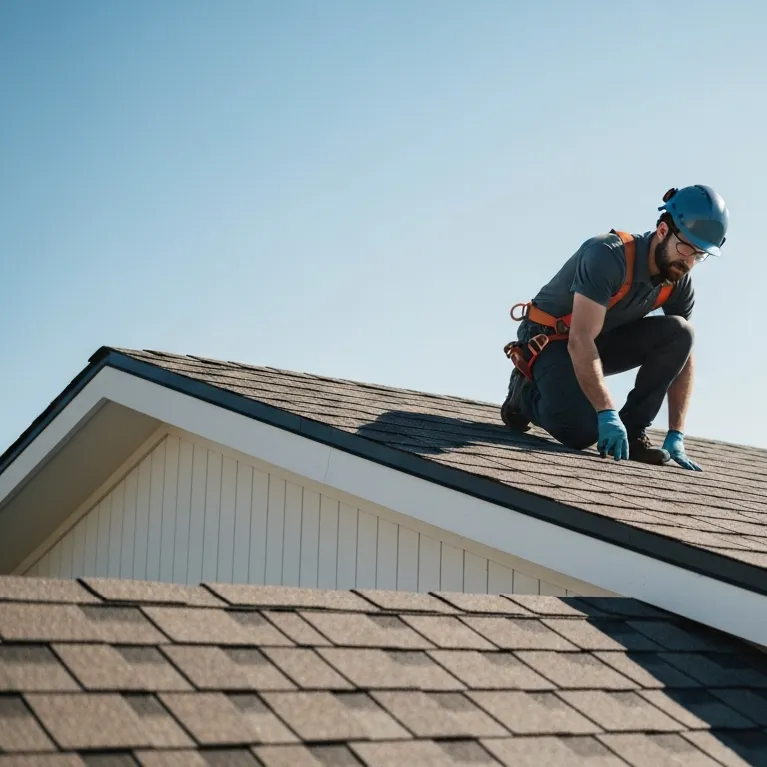
Regular inspections help catch small shingle issues before they shorten roof life.
💡 Friendly tip: If your neighbors with similar homes are all replacing their shingle roofs, it may be time to check yours more closely too.
Metal Roofing: Long-Lasting and Low Maintenance
Metal roofing has grown in popularity because it combines durability with a sleek, modern look. Depending on the type of metal (steel, aluminum, or copper) and the coating used, Metal Roofing can last 40–70 years or more. That’s easily double or triple the lifespan of many shingle roofs.
Metal resists fire, sheds snow easily, and stands up well to wind when properly installed. Its main enemies are corrosion in coastal or industrial areas, and damage from poor installation—like exposed fasteners that loosen over time. A high-quality finish and correct underlayment go a long way toward protecting the metal and keeping your roof looking sharp for decades.
Another plus: Metal roofing is relatively light, so it often works well for roof replacements without major structural changes. If you’re planning to stay in your home for a long time, the extended Roof Lifespan Comparison often makes metal worth the higher upfront cost.
Tile Durability: Built to Stand the Test of Time
Tile roofs—whether clay or concrete—are known for their classic look and impressive Tile Durability. It’s not unusual for the tiles themselves to last 50–100 years. In many cases, the underlayment beneath the tiles needs replacement before the tiles do, which is why you sometimes see “re-roofing” projects that reuse existing tiles.
Tile is especially popular in warmer, sunnier climates because it reflects heat well and isn’t bothered by intense UV exposure. However, it is heavier than other Roofing Materials, so your home’s structure must be able to support the load. Impact from falling branches or walking on tiles incorrectly can crack them, so gentle Roof Maintenance and careful foot traffic are important.
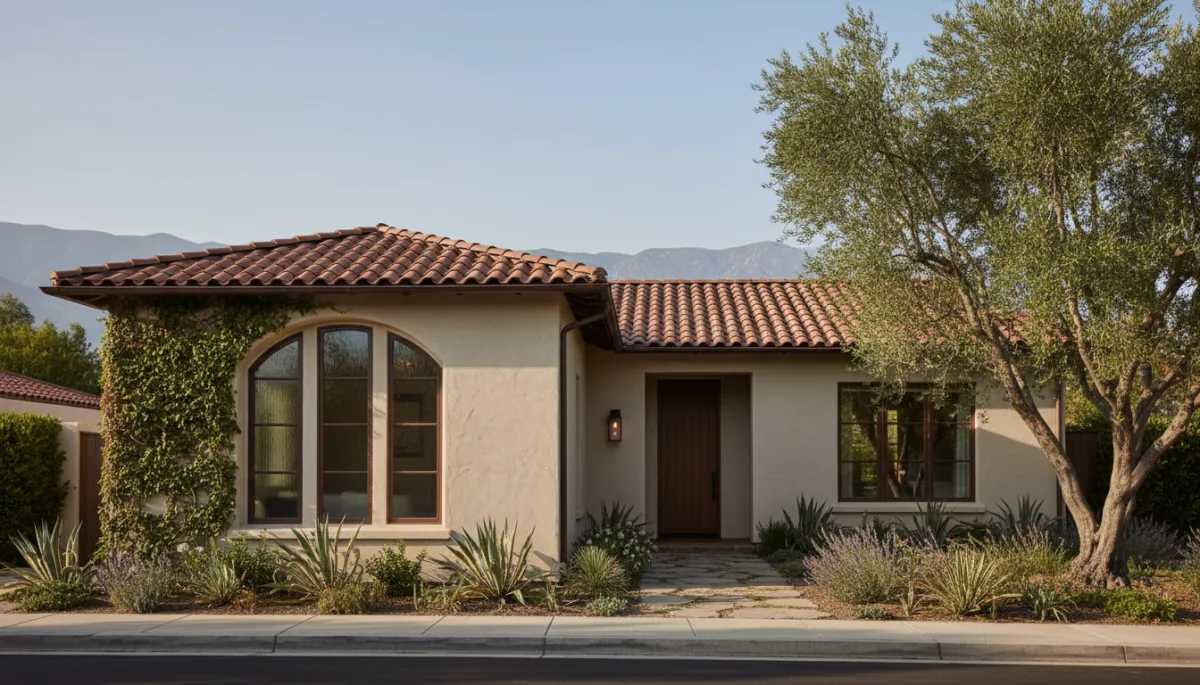
Well-installed tile roofs can protect a home for generations with periodic care.
What Really Affects Roof Durability?
No matter which material you choose, a few key factors will make or break your roof’s true lifespan:
Climate: Extreme heat, heavy snow, high winds, and salty coastal air all put extra stress on roofing materials.
Installation quality: Even the best materials fail early if flashing, ventilation, or fasteners are done poorly.
Ventilation and insulation: A hot, poorly ventilated attic can cut Shingle Lifespan dramatically and stress other materials too.
Roof Maintenance: Cleaning gutters, removing debris, and fixing small issues early can easily add years to any roof.
Surrounding trees: Overhanging branches can scrape, drop limbs, and create shady, damp spots where moss thrives.
📌 Key takeaway: You can’t control the weather, but you can choose a quality installer and commit to simple yearly Roof Maintenance to protect your investment.
Choosing the Right Roof for Your Home
When you’re deciding between shingles, metal, and tile, think beyond just the price tag. Consider how long you plan to stay in your home, your local climate, and how much maintenance you’re comfortable handling. Shingles may be perfect if you want an affordable, familiar option. Metal Roofing can be a smart long-term choice if you value longevity and low upkeep. Tile offers outstanding durability and curb appeal where your home’s structure and style support it.
The good news is that with the right Roofing Materials, proper installation, and a bit of regular care, your roof can quietly protect your home for decades. A quick annual checkup, clean gutters, and prompt repairs go a long way toward making sure your roof reaches—and maybe even exceeds—its expected lifespan.