Roof Repair vs. Replacement: Homeowner Guide
Home Improvement, Roof Repair, Roof Replacement
Roof Repair vs. Roof Replacement: A Complete Homeowner Guide to Warning Signs
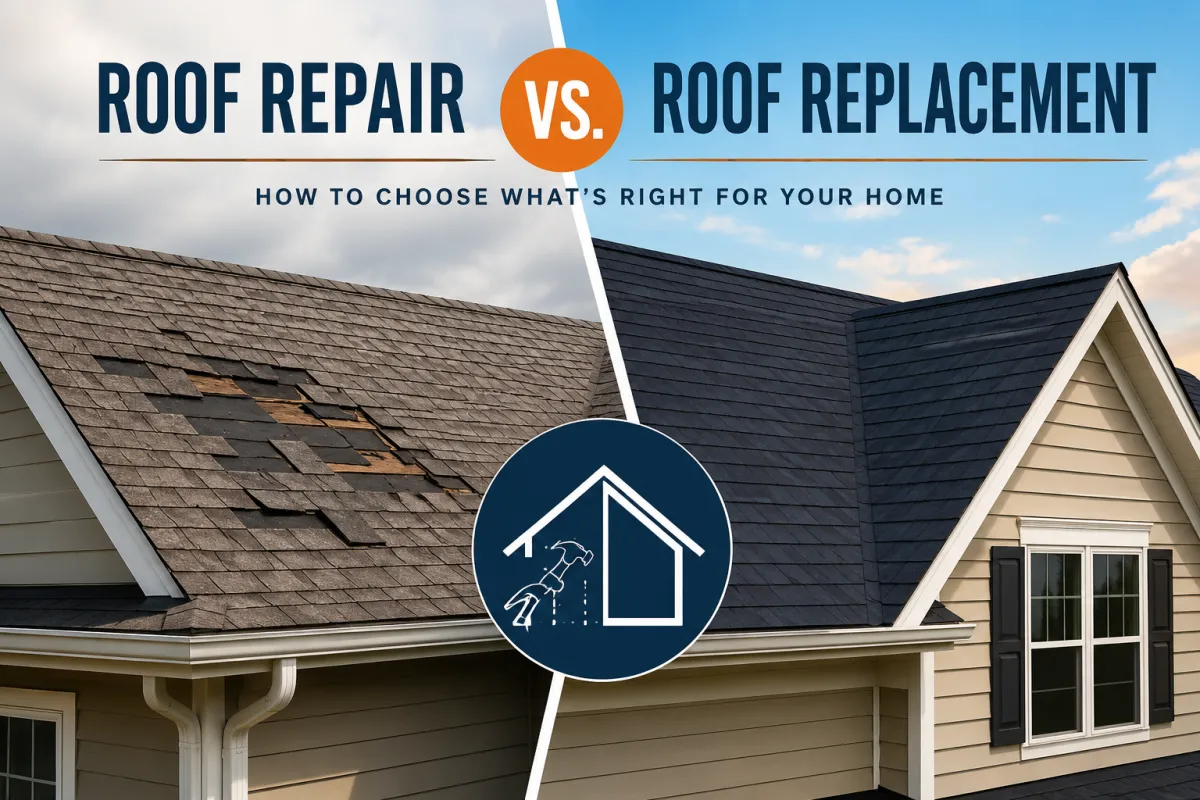
Knowing when your roof needs a simple repair and when it is time for a full roof replacement can save you thousands of dollars and prevent serious damage to your home. This homeowner guide walks you through key warning signs, common mistakes, and practical roof maintenance and roof inspection tips so you can make a confident decision before problems spiral out of control.
Why Understanding Roof Repair vs. Roof Replacement Matters
Your roof is your home’s first line of defense against rain, wind, sun, and snow. Yet many homeowners only think about it when a leak appears or shingles blow off in a storm. By then, damage is often more extensive—and more expensive—than it needed to be. Understanding the difference between roof repair and roof replacement, and learning the early warning signs of trouble, helps you:
Avoid structural damage to walls, ceilings, and insulation caused by hidden leaks
Extend the life of your current roof with timely roof maintenance and targeted repairs
Plan and budget for a future roof replacement instead of facing an emergency expense
📌 Key Takeaway: A thoughtful roof inspection now can prevent a rushed, costly decision later.
Step One in Any Homeowner Guide: Know Your Roof’s Age and Material
Before you decide on roof repair or roof replacement, start with the basics: how old is your roof, and what is it made of? Each roofing material has an expected lifespan under normal conditions:
Asphalt shingles: typically 15–25 years, depending on quality and climate
Architectural or dimensional shingles: 20–30+ years with good roof maintenance
Metal roofing: 40–70 years when properly installed and maintained
Tile or slate: 50+ years, but individual tiles may crack and need periodic repair
If your roof is nearing the end of its expected lifespan, frequent small issues may signal that a full roof replacement is more cost-effective than repeated roof repairs. On a relatively young roof, however, localized problems usually point toward targeted repairs and improved roof maintenance instead of a full tear-off.
Visible Exterior Warning Signs You Should Never Ignore
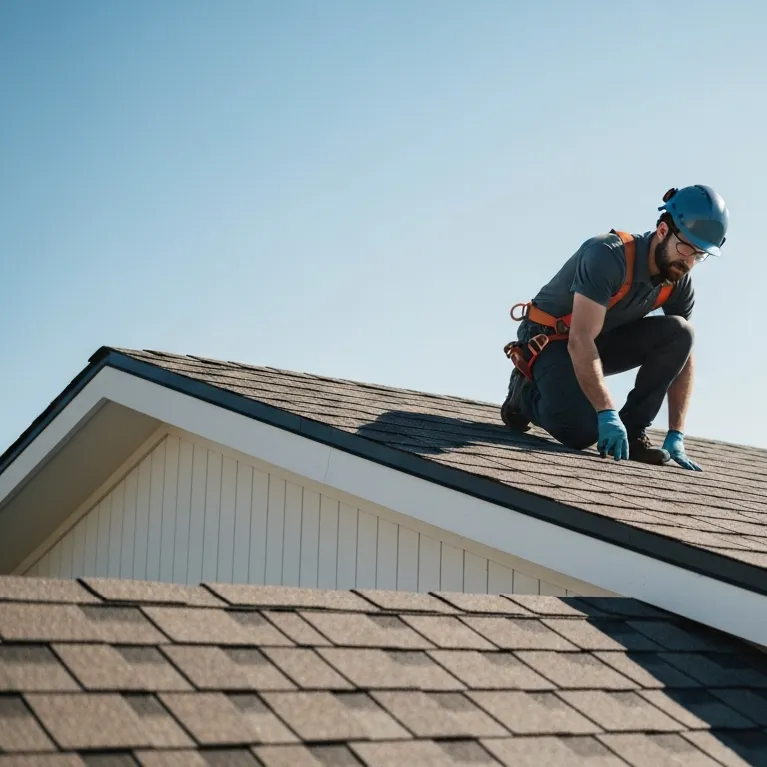
A thorough roof inspection starts on the ground. Walk around your home and look up from different angles. Then, if it is safe and you are comfortable, view the roof from a sturdy ladder without walking on it. Here are exterior warning signs and what they usually mean for roof repair vs. roof replacement:
1. Missing, Cracked, or Curling Shingles
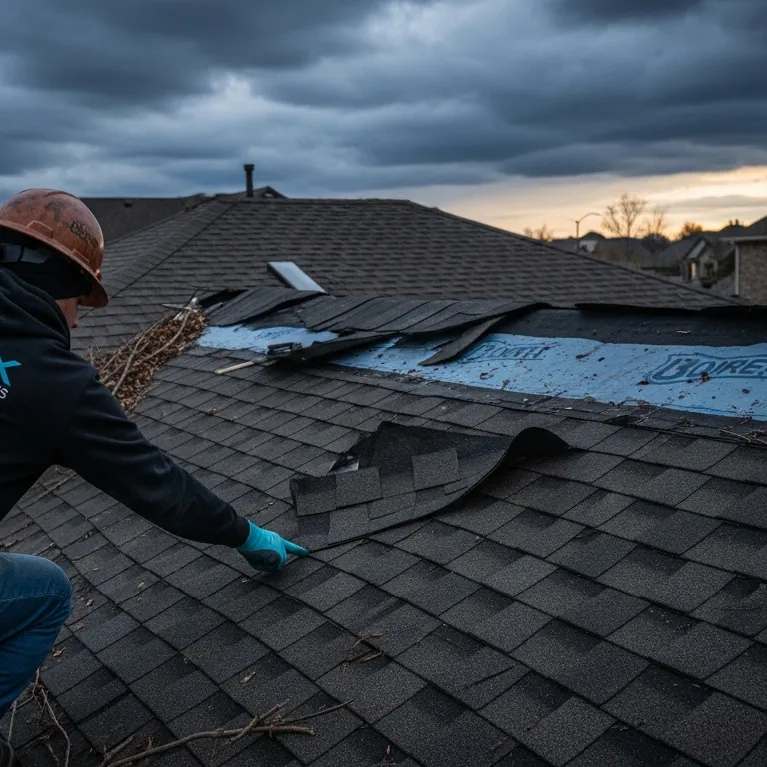
A few missing or cracked shingles after a storm often call for straightforward roof repair. A roofing professional can replace the damaged pieces and check the surrounding area. However, if you see widespread curling, brittle shingles, or many bare spots where granules have worn away, your roof may be nearing the end of its life, and replacement should be on your radar.
2. Sagging Roof Lines
Stand back and look at the overall shape of your roof. The ridgelines and planes should appear straight and even. Any sagging, dipping, or a “wavy” look can indicate structural issues with the decking or supports beneath the shingles. This is a serious warning sign many homeowners miss because the change can be gradual. Sagging almost always requires more than cosmetic roof repair and may point to the need for partial or full roof replacement and structural evaluation.
3. Damaged Flashing and Roof Penetrations
Flashing is the metal or waterproof material around chimneys, skylights, vents, and where roof planes meet walls. Cracked, rusted, or loose flashing is a common source of leaks and a frequent focus of roof repair. If caught early, replacing or resealing flashing is a relatively simple fix. However, if damaged flashing has allowed long-term water intrusion, the underlying wood may be rotted, making a larger repair—or even roof replacement—necessary.
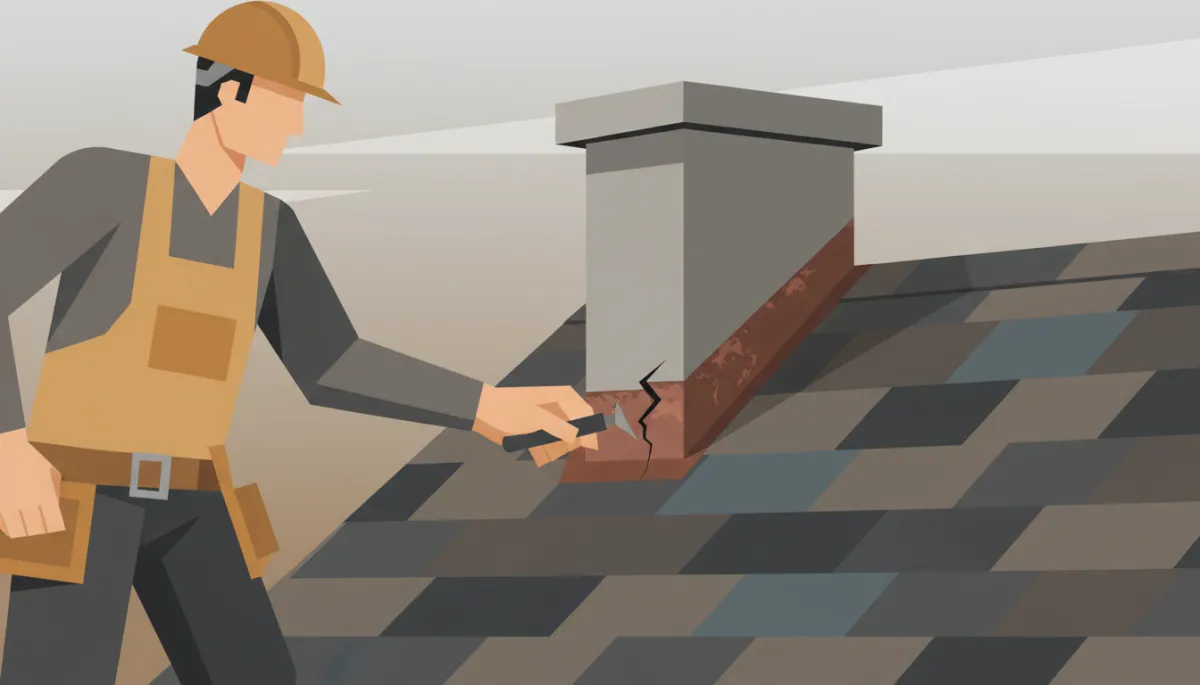
Small flashing failures are a leading cause of leaks that homeowners overlook.
Interior Warning Signs Homeowners Often Miss
Not all roof problems show up on the outside. Some of the most important warning signs appear inside your home, especially in the attic. Including these checks in your regular roof inspection routine can reveal hidden issues long before water drips from the ceiling.
4. Stains, Peeling Paint, or Bubbling on Ceilings and Walls
Brownish water stains, peeling paint, or bubbling drywall on ceilings and upper walls often point to roof leaks. The tricky part is that water can travel, so the visible stain may be several feet away from the actual entry point. A roofing professional can trace the source. If the leak is localized and your roof is relatively young, roof repair is usually sufficient. Repeated stains in different areas, especially on an older roof, may indicate it is time to discuss roof replacement.
5. Attic Moisture, Mold, or Daylight Through the Roof Boards
During your roof inspection, take a flashlight into the attic on a sunny day. Look for:
Damp insulation or dark, discolored wood that suggests long-term moisture
Mold or a musty odor, which often means poor ventilation and trapped humidity
Small pinpoints of daylight coming through the roof boards
A few small nail holes or isolated issues can sometimes be addressed with roof repair and improved ventilation. But widespread moisture damage or visible light in many areas is a strong signal that the roof system is failing and that roof replacement, along with correcting ventilation, is the safer long-term solution.
When Roof Repair Makes Sense
Not every problem calls for a new roof. In many situations, strategic roof repair is the smartest and most budget-friendly choice. Repair is typically appropriate when:
The roof is under 10–15 years old (for asphalt) and otherwise in good condition
Damage is confined to a specific area, such as a few missing shingles or a single damaged valley
The underlying decking and structure are solid with no signs of widespread rot or sagging
The leak source is clearly identified—often flashing, a vent, or a small puncture
💡 Pro Tip: Always ask your contractor to document roof repair work with before-and-after photos. This helps track patterns and supports warranty or insurance claims later.
Clear Signs It’s Time for Roof Replacement
Even the best roofs eventually need to be replaced. Continuing to patch a failing roof can cost more in the long run, especially if hidden leaks damage framing, insulation, and interior finishes. Consider roof replacement when you notice:
Age plus issues: Your roof is at or beyond its typical lifespan and showing multiple warning signs like curling shingles, frequent leaks, or lost granules in gutters.
Widespread damage: Large sections of the roof are affected, not just one valley or slope.
Structural concerns: Sagging, spongy decking underfoot (for pros), or extensive rot found during inspection.
Repeated repairs: You are calling for roof repair every season or after every moderate storm.
In these cases, investing in a complete roof replacement often improves energy efficiency, boosts curb appeal, and gives you peace of mind with a new warranty—all benefits that piecemeal repairs cannot provide.
Building a Simple Roof Maintenance and Roof Inspection Routine
The best way to avoid surprises is to treat your roof like any other major system in your home: give it regular attention. A basic homeowner roof maintenance plan includes:
Seasonal visual checks: Inspect your roof and attic at least twice a year—spring and fall—and after major storms.
Clean gutters and downspouts: Clogged gutters can force water under shingles and along fascia, leading to leaks that look like roof failures.
Trim overhanging branches: Branches that rub on shingles can wear away protective granules and drop debris that holds moisture on the roof surface.
Schedule professional inspections: Have a qualified roofer perform a detailed roof inspection every few years, or sooner if you notice warning signs.
Making a Confident Decision: Questions to Ask Your Roofer
When a roofing contractor recommends roof repair or roof replacement, do not hesitate to ask questions. A reputable professional will welcome them. Use this quick checklist:
Can you show me photos or explain exactly where the roof is failing?
Are there multiple options, such as a partial repair now and a planned replacement later?
How long do you expect a repair to last, given the age and condition of the roof?
What warranties come with the repair or replacement, and what do they cover?
Comparing detailed estimates and asking for clear explanations turns a confusing situation into an informed choice that protects both your home and your budget.
Final Thoughts: Turn Warning Signs into an Action Plan
As a homeowner, you do not need to become a roofing expert, but you do need a clear, practical understanding of when your roof needs attention. By learning the key warning signs—both outside and inside—building a simple roof maintenance routine, and partnering with a trusted professional for regular roof inspection, you can catch problems early and decide confidently between roof repair and roof replacement.
Use this homeowner guide as a checklist the next time you walk around your property or climb into the attic. If something looks or feels off, do not ignore it. A quick call to a roofer today can prevent costly damage tomorrow—and help ensure that the roof over your head continues to protect your home and family for years to come.