Top Signs of Roof Wear: A Homeowner's Guide
Home Improvement, Roof Maintenance
Top Four Signs of Roof Wear Every Homeowner Should Watch For
Your roof quietly protects your home day after day, but it will not last forever. Understanding the top signs of roof wear helps you catch issues early, avoid costly roof repair emergencies, and extend the life of your roofing system through timely roof maintenance and home inspection.
Why Paying Attention to Roof Wear Matters
A healthy roof is essential to the overall condition of your home. When the roof begins to fail, moisture can penetrate the structure, insulation can be compromised, and interior finishes can suffer. Often, homeowners only notice issues when a visible leak appears on a ceiling. By that point, the underlying roof wear has usually been developing for months or even years.
Proactive roof maintenance and regular home inspection routines can dramatically reduce the risk of sudden water damage. Learning the early signs of damage allows you to schedule roof repair on your own terms, instead of reacting to an emergency after a storm or heavy snowfall. The four signs below are among the most common and most important indicators that your roof is approaching the end of its service life, or that specific areas need attention from a qualified roofing professional.
💡 Professional Tip: Plan a basic visual roof inspection at least twice a year—once in spring and once in fall—plus after major storms.
Sign 1: Shingle Deterioration and Granule Loss
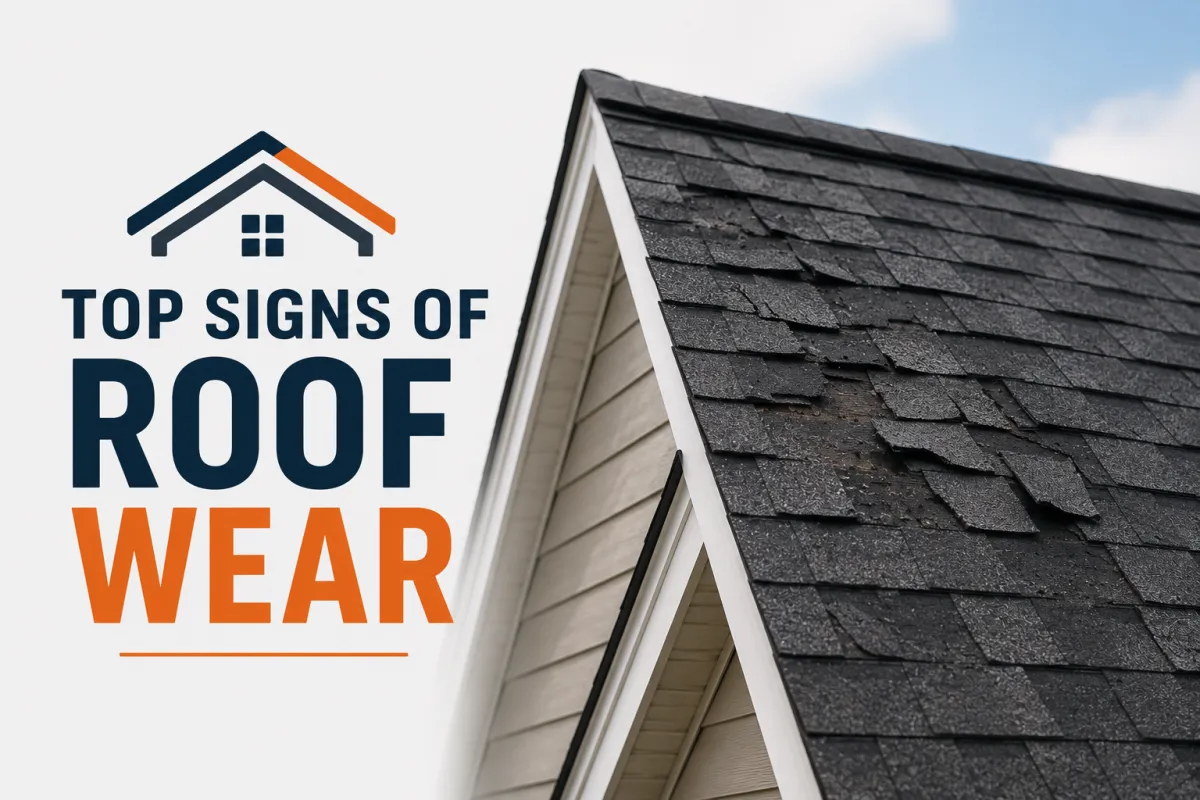
For homes with asphalt shingles, one of the clearest signs of roof wear is visible shingle deterioration. Over time, exposure to sunlight, temperature swings, and wind gradually breaks down the protective surface of each shingle. The tiny mineral granules that coat the shingles start to loosen and wash away, leaving the underlying asphalt exposed and vulnerable to faster aging and cracking.
Bald or shiny spots: Areas where shingles look smooth, shiny, or darker than surrounding sections often indicate significant granule loss.
Granules in gutters: During a home inspection, check your gutters and downspouts for accumulations of coarse, sand-like material. Heavy granule deposits are a warning sign of damage and accelerated roof wear.
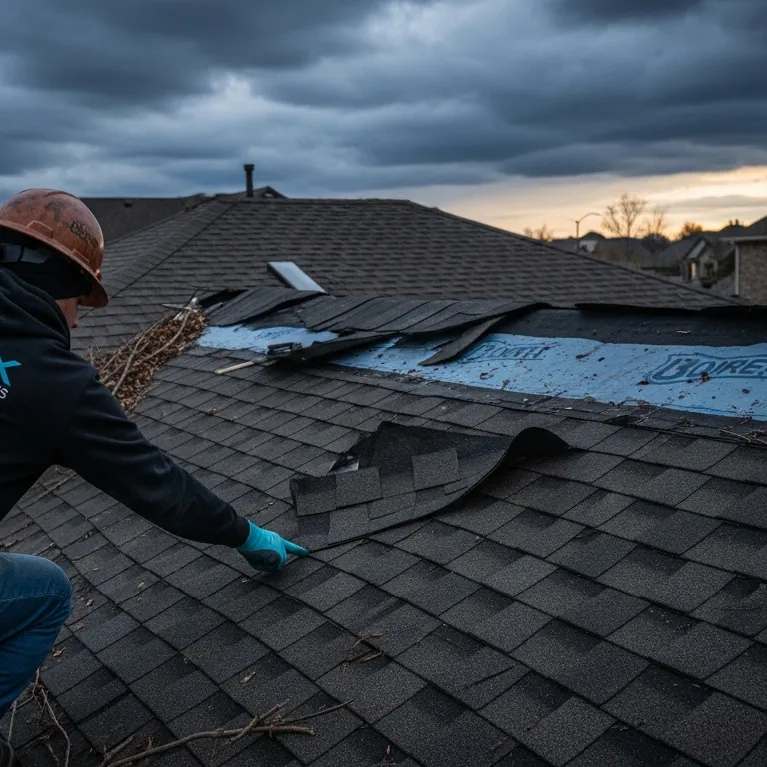
Cracked or curled shingles: Shingles that are brittle, cracked, or curling at the edges can no longer shed water effectively and are more likely to lift in high winds.
These conditions typically develop gradually, which is why they are easy to overlook. However, they are among the most important signs of damage. Once the granule layer has worn away in large sections, the shingles will deteriorate quickly under UV exposure. At that stage, spot repairs may no longer be cost-effective, and a more comprehensive roof repair or replacement may be the best long-term solution.
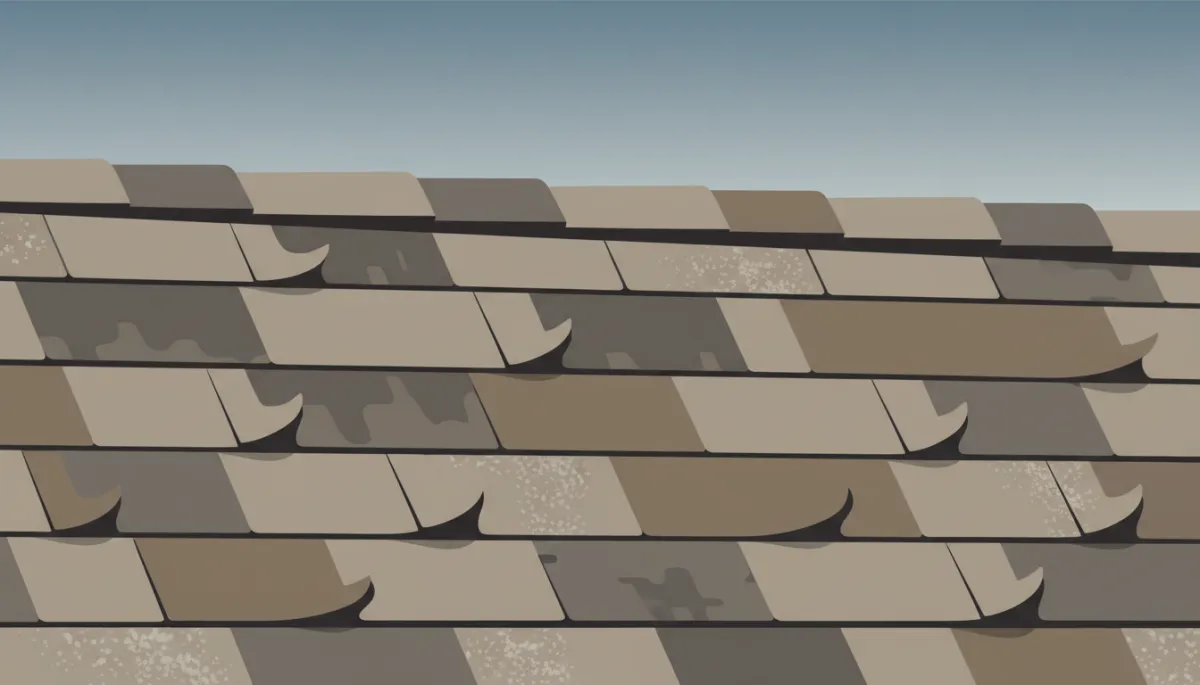
Early shingle wear is a key indicator that your roof may need professional evaluation.
📌 Key Takeaway: Granule loss and curling shingles are not just cosmetic issues; they signal that your roof’s protective surface is breaking down and that roof maintenance should not be delayed.
Sign 2: Leaks, Stains, and Moisture Inside the Home
While exterior conditions tell part of the story, some of the most serious signs of roof wear appear inside your home. Water is persistent, and even a small breach in your roofing system can allow moisture to travel along rafters, insulation, and drywall before it becomes visible. Conducting a basic interior home inspection a few times a year can help you spot early warning signs before structural damage develops.
Ceiling stains: Brown or yellowish rings on ceilings or upper walls are classic signs of damage from water intrusion. Even if the area feels dry when you notice it, the stain indicates that water has entered at some point and may do so again.
Peeling paint or bubbling drywall: Moisture trapped behind paint or drywall can cause surfaces to bubble, peel, or sag. This often occurs near rooflines, skylights, or chimneys where flashing may have failed.
Mold or musty odors in the attic: A damp, musty smell in the attic, or visible mold on rafters and insulation, suggests ongoing moisture problems and inadequate ventilation—both of which accelerate roof wear.
When you see these indicators, it is important not to ignore them or simply paint over stains. Instead, treat them as a signal to investigate the source of the leak. A professional roofing contractor can trace the path of water, assess the condition of shingles, flashing, and underlayment, and recommend appropriate roof repair options. Addressing leaks promptly not only protects finishes and furnishings but also preserves the structural framing of your home.
⚠️ Warning: Repeated or widespread interior staining often indicates more than a minor issue. It may suggest that your roof has reached the end of its life and that a full replacement should be considered as part of your long-term roof maintenance plan.
Sign 3: Sagging Roof Lines and Structural Movement
A roof should appear straight and even when viewed from the street. If you notice dips, waves, or sagging sections along the ridgeline or between rafters, this is a serious sign of roof wear and potential structural compromise. Sagging may be the result of long-term moisture exposure, undersized framing, heavy snow loads, or deteriorated decking beneath the shingles.
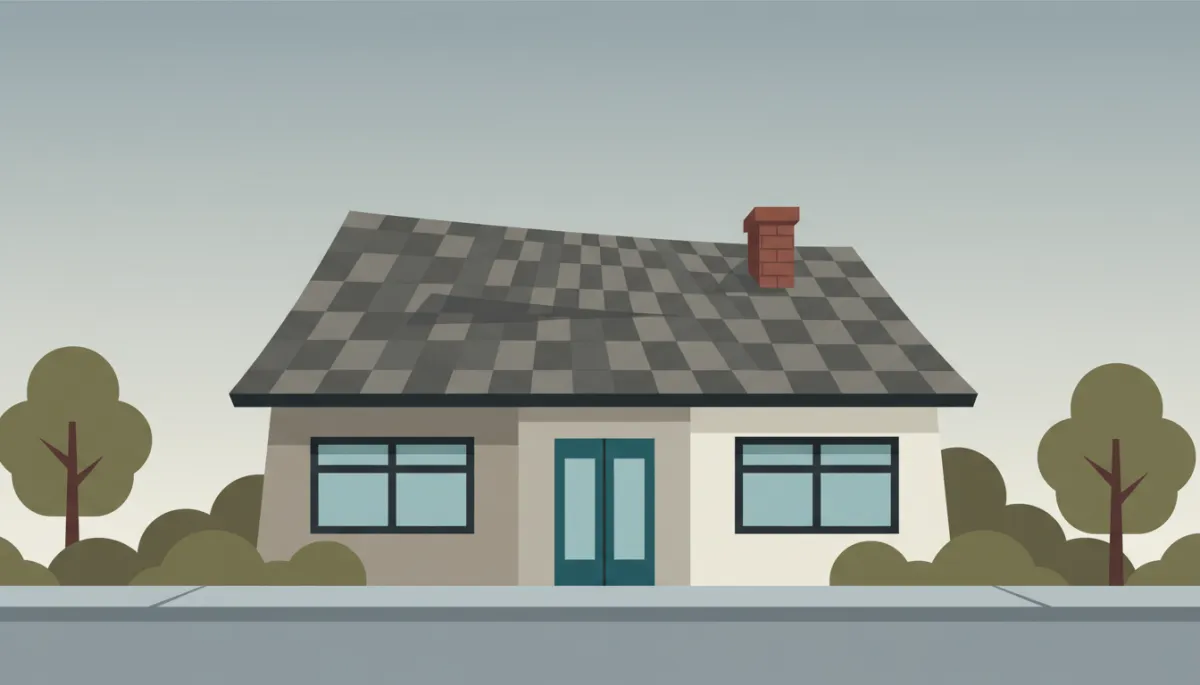
-toned street-level photo of a residential house with a slightly sagging roof line highlighted...
A sagging roof line is a structural red flag that calls for immediate professional assessment.
Unlike missing shingles or minor leaks, sagging is not a cosmetic concern. It can indicate that the roof deck has softened due to rot, that interior supports are failing, or that too many layers of roofing material have been installed over time, adding excessive weight. Any of these conditions can compromise the safety and value of your home.
Uneven ridgeline: Stand back from your home and look at the main roof ridge. It should appear straight; any visible dips or humps deserve attention during a home inspection.
Soft or spongy areas underfoot: Roofing professionals often discover structural issues when they feel soft spots while walking the roof, indicating that the decking beneath has weakened.
Interior cracks and misaligned doors: In some cases, sagging roofs can correlate with shifting framing that also causes interior cracks in ceilings or difficulty closing doors.
💡 Professional Tip: Because structural movement can be complex, signs of damage such as sagging should always prompt a visit from a licensed roofing specialist or structural engineer, rather than DIY repairs.
Sign 4: Damaged Flashing, Seals, and Roof Penetrations
Even if most of your shingles appear to be in good condition, localized issues around roof penetrations can still result in leaks and significant roof wear. Flashing and sealants are used wherever the roofing surface meets a vertical surface or opening, such as chimneys, skylights, plumbing vents, and sidewalls. Over time, these components can crack, pull away, or corrode, creating pathways for water to enter your home.
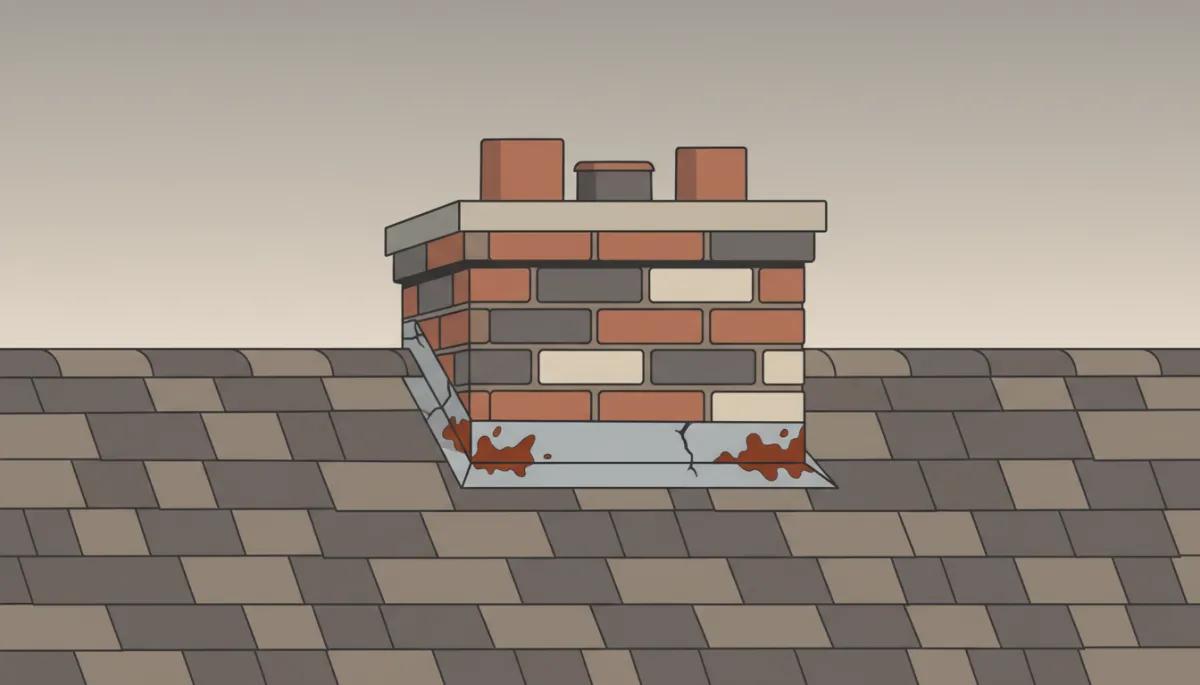
Worn flashing and sealants are common leak sources even when shingles look intact.
Cracked sealant or caulk: Sealant used around vents, skylights, and flashing eventually dries out and cracks. During a routine roof maintenance visit, professionals will often remove failing sealants and reapply fresh materials.
Loose or missing flashing: High winds, ice, or poor installation can cause flashing to lift or detach, leaving seams vulnerable to water intrusion. This is a frequent source of leaks near chimneys and roof-to-wall intersections.
Corrosion and rust: Metal flashing and fasteners can corrode over time, especially in coastal or industrial environments. Rust weakens the material and can create pinholes that allow water to pass through.
Because flashing details are more complex than flat shingle fields, they are best evaluated by an experienced roofing contractor. As part of a professional home inspection focused on the roof, these areas are systematically reviewed for signs of damage, wear, and improper installation. Addressing flashing issues early is one of the most cost-effective roofing tips for preventing leaks and extending the life of your entire roofing system.
Additional Clues That Your Roof Needs Attention
While the four signs above are among the most critical, other indicators can also suggest growing roof wear or the need for roof repair. Paying attention to these details can help you build a more complete picture of your roof’s condition and plan maintenance accordingly.
Age of the roof: Most asphalt shingle roofs have a typical service life of 20–30 years, depending on quality and climate. If your roof is approaching this age range, be more vigilant about inspections and budget for potential replacement.
Frequent repairs: If you find yourself scheduling roof repair after every major storm, it may be more economical to invest in a new roof rather than continuing to patch recurring issues.
Higher energy bills: Poor roof ventilation or compromised insulation due to moisture can increase heating and cooling costs. A roofing professional can evaluate whether roof wear is contributing to these changes.
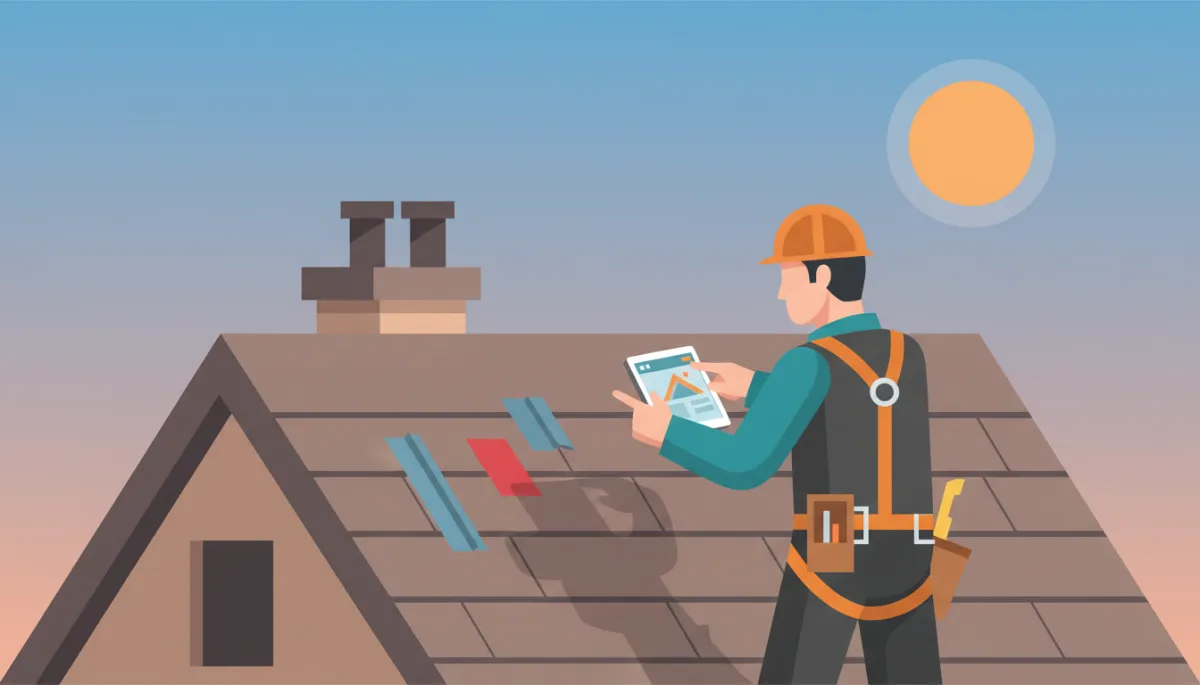
Regular professional inspections help identify subtle signs of roof wear before they become major problems.
How to Incorporate Roof Maintenance Into Your Home Care Routine
Recognizing the top four signs of roof wear is only part of the equation. The next step is to create a practical roof maintenance plan that fits into your overall approach to home care. A structured plan helps you stay ahead of issues rather than reacting to emergencies.
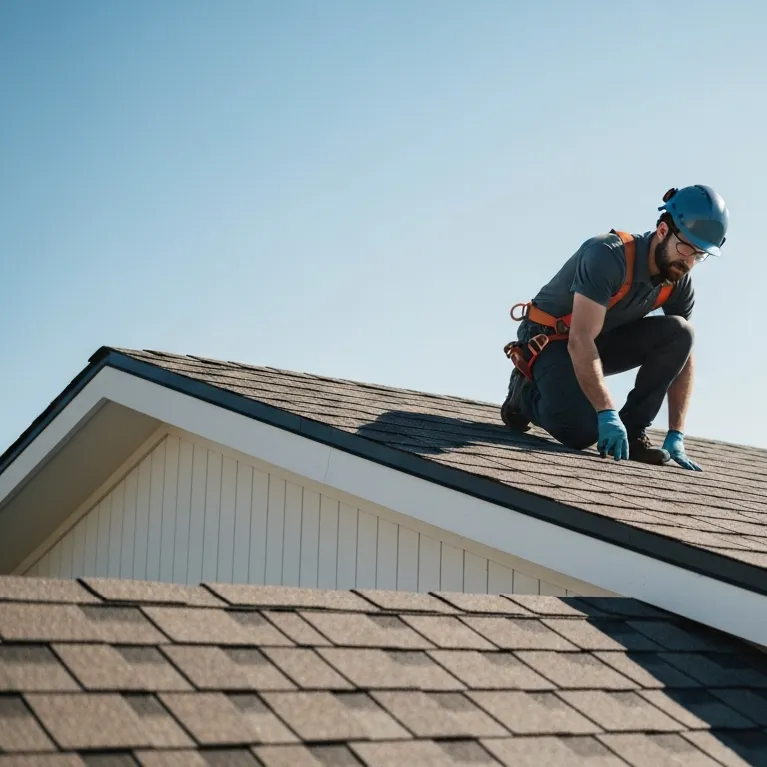
Schedule routine visual checks: From the ground and from inside your attic, look for visible signs of damage, leaks, or sagging. Use binoculars if needed, and prioritize safety by avoiding climbing on the roof unless you are trained and equipped to do so.
Keep gutters and downspouts clear: Clogged gutters can trap water along the roof edge, accelerating shingle wear and causing ice dams in winter. Cleaning gutters is a simple but powerful form of roof maintenance that protects your investment.
Trim overhanging branches: Limbs that touch or hang directly above the roof can scrape shingles, drop debris, and provide pathways for pests. Keeping trees trimmed reduces physical and moisture-related roof wear.
Document changes: Take photos during each informal inspection. Over time, you will be able to compare images and spot subtle signs of damage or deterioration that might otherwise go unnoticed.
📌 Key Takeaway: A consistent, simple roof maintenance routine can significantly extend the life of your roof and reduce the likelihood of unexpected expenses.
When to Call a Professional for Roof Repair or Replacement
While many homeowners can perform basic visual checks, interpreting the full extent of roof wear and deciding between repair and replacement is best left to professionals. If you observe any of the top four signs of damage—significant shingle deterioration, interior leaks or stains, sagging roof lines, or compromised flashing—it is wise to schedule a professional roof inspection as soon as possible.
During a professional assessment, the roofing contractor will examine the entire system, including shingles or other roofing materials, underlayment, decking, flashing, ventilation, and gutters. They will identify specific areas of concern, estimate remaining service life, and provide recommendations for roof repair or replacement based on the overall condition and your budget. This expert guidance, combined with your own observations, allows you to make informed decisions about protecting your home.
Bringing It All Together: Protecting Your Home From the Top Down
Your roof is one of the most important components of your home’s envelope, yet it is often overlooked until something goes wrong. By learning to recognize the top four signs of roof wear—shingle deterioration and granule loss, interior leaks and stains, sagging roof lines, and damaged flashing or seals—you equip yourself with the knowledge needed to act early. Coupled with a thoughtful roof maintenance routine and periodic professional inspections, this awareness can prevent small issues from evolving into major structural problems.
Ultimately, the goal is not only to avoid unexpected roof repair bills but also to safeguard the comfort, safety, and value of your home. The next time you walk around your property or access your attic, take a few extra minutes to look for these signs of damage. If something does not look right, reach out to a trusted roofing professional for guidance. A well-maintained roof is more than just a layer of shingles—it is a long-term investment in your home’s future.